
Baby clothes are tiny, adorable, and somehow they multiply overnight. One minute you have a neat little pile of onesies, and the next your nursery dresser looks like a laundry tornado passed through. If you’ve ever stared at a mountain of miniature socks wondering where to even begin, you’re in good company.
The good news is that folding baby clothes doesn’t have to be complicated. With a few simple techniques, you can turn that chaotic pile into a calm, organized drawer in minutes. This guide walks you through exactly how to fold baby clothes — onesies, sleepers, pants, and those slippery little socks — plus the tools that make it easier and the mistakes worth skipping. Let’s bring some order to the cuteness.
Why This Matters for New Parents
Folding baby clothes well saves you time when you need it most. Picture a 3 a.m. diaper blowout — you want to grab a clean sleeper fast, not dig through a tangled drawer. A tidy system means you find what you need without flipping on every light and waking the baby.
There’s also a practical upside for the clothes themselves. Folded items stay in better shape than crumpled ones, which matters when you’re saving outfits for a future sibling or a hand-me-down. Soft cotton onesies wrinkle and stretch easily, so a gentle fold keeps them looking fresh.
The bigger payoff: organization lowers your daily stress. New parenthood comes with plenty of unpredictable moments, and a drawer you can rely on is one small thing you control. You won’t fold everything perfectly every time, and that’s fine — even a loose system beats no system at all.
What You’ll Need
You don’t need fancy gear to fold baby clothes well. A few basic tools make the job faster and help your folds actually stay folded.
- A flat surface: A bed, changing table, or clean floor space gives you room to fold without fighting gravity.
- Drawer dividers: These keep folded items standing upright and stop them from toppling into one mixed-up pile. Adjustable or expandable dividers fit most dresser drawers.
- Storage bins or baskets: Useful for clothes in larger sizes your baby hasn’t grown into yet, or for items you rotate seasonally.
- Small labels or tags: Marking drawers or bins by size (newborn, 0–3 months, 3–6 months) saves you guesswork later.
- Hangers (optional): Handy for dresses, jackets, or special outfits you’d rather not crease.
One tip before you start: sort everything by type and size first. A quick sort up front makes the folding go much faster, and it sets you up for a drawer that stays organized.
How to Fold Baby Clothes: 6 Step-by-Step Guide
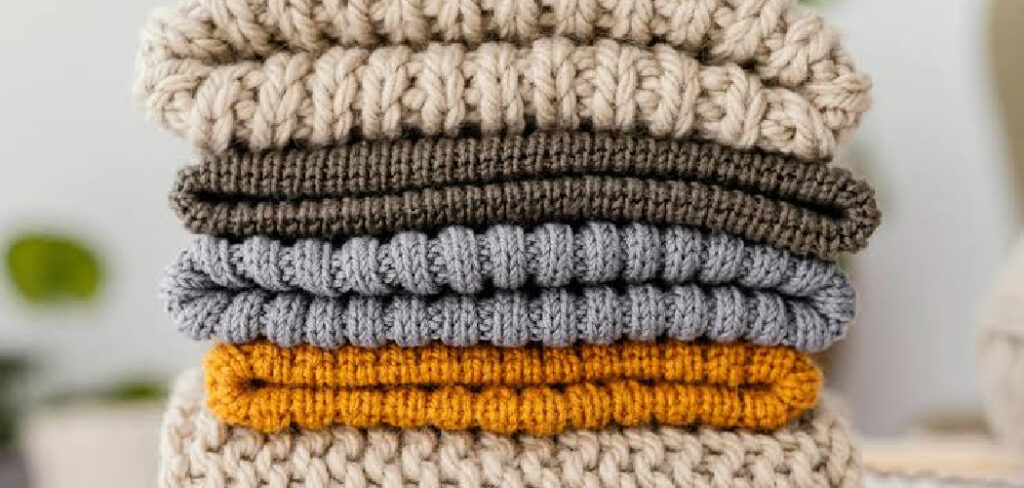
The method below uses a file fold — a technique inspired by the KonMari approach, where you fold items into small rectangles that stand upright in the drawer instead of stacking flat. The benefit is simple: you can see every item at a glance, so nothing gets buried at the bottom. Here’s how it works for each type of baby clothing.
Step 1: Fold Onesies and Bodysuits
Lay the onesie face-down on your flat surface and smooth out any wrinkles. Fold both sides inward so the arms tuck toward the center, then fold the sleeves down flat against the body.
Next, fold the bottom up about a third of the way, then fold again so you end up with a neat rectangle. Stand it upright in the drawer.
Tip: For very small newborn onesies, two folds are usually enough. Over-folding tiny clothes just makes a bulky little lump that won’t stand on its own.
Step 2: Fold Sleepers and Footed Pajamas
Sleepers are longer, so they need one extra fold. Lay the sleeper face-down, fold the arms in toward the center, and bring the legs (and feet) up toward the neckline.
Then fold the whole thing in half or thirds until it forms a compact rectangle. Set it upright alongside your onesies.
Tip: Zippered sleepers fold cleaner when the zipper is closed first. It keeps the fabric from bunching and gives you a smoother shape.
Step 3: Fold Pants and Leggings
Baby pants fold up in seconds. Lay them flat, then fold one leg over the other so they line up.
Fold the waistband down to meet the cuffs, then fold once more into a small square. Stand them on edge in the drawer.
Tip: Stretchy leggings can spring open after folding. A tighter, slightly smaller fold helps them hold their shape and stay put.
Step 4: Fold Shirts and Tops
Treat tops much like onesies. Lay the shirt face-down, fold the sides in with the sleeves, then fold the bottom up to meet the collar in two or three folds.
You want a rectangle roughly the height of your drawer’s depth. That sizing lets the item stand upright without flopping over.
Tip: Keep your folds consistent in size. Uniform rectangles pack together neatly and use drawer space far better than mismatched bundles.
Step 5: Handle Socks and Small Accessories
Tiny socks are the troublemakers of baby laundry. Instead of balling them up — which stretches the elastic — simply lay one sock on top of its match and fold them together once.
Store these folded pairs in a divided section or a small bin so they don’t scatter. Bibs, mittens, and hats can share the same spot.
Tip: A small drawer organizer with compartments works wonders for socks and accessories. It keeps the little stuff from disappearing into the corners.
Step 6: File Everything Upright
Once your items are folded into rectangles, place them standing on edge rather than stacking them flat. Line them up like files in a cabinet.
This is the heart of the file-fold method. You see everything at once, grab what you need, and the rest stays undisturbed.
Tip: Group by category — onesies together, sleepers together, pants together. Within each group, sorting by size makes mornings even smoother.
Common Mistakes to Avoid
A few easy missteps can undo all your folding work. Knowing them ahead of time keeps your system running smoothly.
Overstuffing the drawers. When a drawer is jammed full, items won’t stand upright and the whole thing collapses every time you open it. Leave a little breathing room, and move out-of-size clothes to a bin.
Skipping the sort by size. Mixing newborn and 6-month clothes in one drawer leads to constant digging. Sort by size first, and label each drawer or section so you always know where things go.
Stacking flat instead of filing upright. Flat stacks force you to lift everything just to reach the bottom item. Filing upright keeps every piece visible and within easy reach.
Folding clothes that are too tiny to fold. Some newborn pieces are so small that folding makes a clumsy lump. For those, a loose roll or a small divided bin works better than a fussy fold.
Holding onto clothes your baby has outgrown. Babies grow fast, and a drawer clogged with too-small outfits leaves no room for what fits now. Rotate outgrown items into storage every few weeks.
Signs You’re Doing It Right
Wondering whether your system is actually working? These signs tell you you’re on the right track.
- You can see everything at a glance. When you open a drawer, every item stands upright and visible — no digging required.
- Getting dressed is faster. You grab a clean outfit in seconds, even during a middle-of-the-night change.
- The drawer stays tidy. Items hold their shape and don’t collapse into a pile after you remove one.
- Clothes look fresh. Fewer deep wrinkles and stretched-out shapes mean your folds are gentle and consistent.
- You know what you have. Because everything is sorted and visible, you’re not buying duplicates or losing track of sizes.
If most of these ring true, your system is doing its job. And if it’s not perfect yet, that’s completely normal — folding gets quicker and more natural the more you do it.
Frequently Asked Questions
What’s the best way to fold baby clothes to save drawer space?
The file-fold method saves the most space. Folding items into small, uniform rectangles and standing them upright lets you fit more in each drawer while keeping everything visible.
Should I fold or hang baby clothes?
Most everyday items — onesies, sleepers, pants — fold well and store neatly in drawers. Hang only delicate pieces like dresses, jackets, or special outfits that wrinkle easily.
How do I keep tiny baby socks from getting lost?
Fold matching socks together with a single fold instead of balling them up, then store the pairs in a small divided compartment or bin. A drawer organizer keeps them from scattering.
How often should I reorganize my baby’s clothes?
Every few weeks works well, since babies grow quickly. Each time, move outgrown sizes into storage and bring the next size up into the main drawer.
Do I really need drawer dividers?
You don’t have to have them, but they help a lot. Dividers keep your folded items standing upright and stop different categories from blending into one mixed pile.
Final Thoughts on How to Fold Baby Clothes
Learning how to fold baby clothes really comes down to a few simple habits: sort by size, fold into tidy rectangles, file everything upright, and leave a little room to breathe. Add a couple of dividers and a regular rotation of outgrown sizes, and you’ve got a system that practically runs itself.
The first time through may feel slow, and that’s perfectly okay. Once you find your rhythm, you’ll fold a whole load in a few minutes — and you’ll love opening a drawer where every little outfit is right where you expect it.
You’re already doing something thoughtful by setting up a system that makes your days easier. Take it one drawer at a time, lean on these steps, and enjoy those impossibly tiny clothes. You’ve got this.

About
Joann Meril didn’t plan on becoming a parenting writer — it found her. After spending several years working as a certified nursing assistant in a pediatric clinic, Joann saw firsthand how anxious and under-informed new parents could feel, even with a hospital full of resources around them. When she had her own two children, that gap became personal. Suddenly she was the one googling things at 2 a.m., comparing baby monitors, and wondering if the swaddle she bought was actually safe.
That experience is what shaped her approach to writing. Joann believes parenting advice should be practical, honest, and free of unnecessary jargon or guilt. She tests products herself whenever possible, reads the actual safety standards instead of just the marketing copy, and isn’t afraid to say when something isn’t worth the money.
Today, Joann writes full-time, covering everything from newborn sleep routines to gear reviews to the small everyday wins that make parenting feel a little less overwhelming. When she’s not researching or writing, she’s usually chasing her own kids around the backyard or drinking coffee that’s gone cold for the third time that morning.
Joann lives in [City/State] with her husband and two children.
Credibility
- Background in pediatric caregiving (CNA)
- Mom of two, hands-on parenting experience
- Hand-tests baby gear before recommending it
- Focus: infant sleep, feeding, gear safety, early development