
You bring your perfect newborn home, and a week or two later, tiny red bumps appear across their cheeks, nose, and forehead. It can feel alarming, especially when their skin looked so smooth before. Take a breath — this is one of the most common newborn skin issues, and it’s almost always harmless.
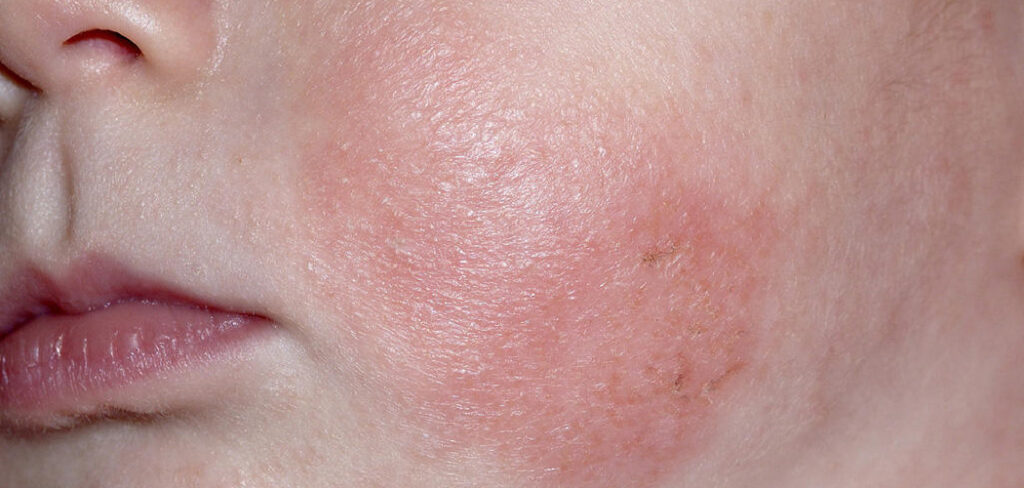
Baby acne, also called neonatal acne, usually shows up in the first few weeks of life and clears on its own. Still, knowing how to help baby acne in your newborn — and what to avoid — can make you feel far more confident. This guide covers why it happens, the gentle supplies you’ll want, a simple care routine, common mistakes, safety tips, and when it’s worth a quick call to your doctor.
Why This Matters for New Parents
Baby acne looks like small red or white bumps, sometimes with a little redness around them. It often appears on the cheeks, nose, forehead, and chin, and it can come and go for a few weeks.
Here’s the reassuring part: baby acne is not caused by anything you did. It’s linked to normal hormone changes after birth and the way a newborn’s skin is still settling in. You didn’t feed them the wrong thing or fail to clean their face well enough.
Many parents worry the bumps mean an infection, an allergy, or that their baby is uncomfortable. In most cases, baby acne doesn’t itch or hurt, and your little one won’t even notice it.
The reason this topic matters is simple. Knowing what’s normal helps you respond gently instead of over-treating delicate skin — and it saves you a lot of unnecessary worry during an already busy season.
What You’ll Need
You need very little to care for baby acne, and that’s by design. Newborn skin does best with a light touch and minimal products.
- Lukewarm water: Your main tool. Warm, not hot, is all most baby acne needs.
- A soft, clean washcloth: Choose one that feels gentle against your hand.
- A mild, fragrance-free baby cleanser: Use only if needed, and look for products labeled for sensitive newborn skin.
- A soft towel: For patting — not rubbing — the skin dry.
- Clean burp cloths: To catch milk, drool, and spit-up that can irritate the skin.
One thing to skip: acne products made for teens or adults. These are far too strong for a newborn’s skin and can cause more irritation than they solve.
6 Step-by-Step Guide: How to Help Baby Acne in Your Newborn
The goal here is gentle, consistent care — not scrubbing the bumps away. Follow these steps and let your baby’s skin do the rest of the work on its own.
Step 1: Wash the Face Gently Once a Day
Dip a soft washcloth in lukewarm water and wipe your baby’s face with light, easy strokes. Once a day is plenty for most newborns.
Why it helps: Gentle cleansing removes the milk, spit-up, and oils that can sit on the skin and irritate it. Daily is enough — over-washing can dry out the skin and make things worse.
Tip: If you use a cleanser, choose a mild, fragrance-free one and use only a small amount.
Step 2: Pat the Skin Dry
After washing, gently pat your baby’s face with a soft, clean towel until it’s dry. Don’t rub.
Why it helps: Patting protects the skin’s surface, while rubbing can inflame the bumps and leave the area redder. Soft and slow is the way to go.
Step 3: Keep the Face Clean Between Washes
Throughout the day, gently wipe away drool, milk, and spit-up as they happen. A soft burp cloth works well for quick clean-ups.
Why it helps: Leftover milk and saliva can sit on the cheeks and chin and aggravate baby acne. Keeping the area clean and dry gives the skin a calmer environment to heal in.
Step 4: Leave the Bumps Alone
Resist the urge to pick, squeeze, or scrub the bumps. Hard as it is, hands off is best.
Why it helps: Picking or squeezing can cause irritation, infection, or even scarring on tender newborn skin. Baby acne fades on its own without any of that.
Step 5: Skip the Lotions and Oils on Affected Areas
Avoid putting heavy creams, lotions, or oils directly on the acne. Less is genuinely more here.
Why it helps: Many lotions and oils can clog the skin or trap moisture, which may keep the bumps around longer. If your baby’s skin is dry elsewhere, a fragrance-free moisturizer is fine on those spots.
Step 6: Be Patient and Watch
Give it time. Most baby acne clears within a few weeks to a couple of months without any special treatment.
Why it helps: Patience is the most effective tool you have. As your baby’s skin matures and hormone levels settle, the bumps usually fade on their own.
Tip: Snapping a quick photo every few days can help you see slow progress that’s hard to notice day to day.
Common Mistakes to Avoid
A few well-meaning habits can actually make baby acne worse. Here’s what to watch for and what to do instead.
Scrubbing the skin hard. Vigorous washing irritates the bumps and the skin around them. Instead, use soft, light strokes with a warm washcloth.
Using adult or teen acne products. Treatments with ingredients like benzoyl peroxide or salicylic acid — common acne-fighting chemicals — are far too harsh for newborns. Stick to lukewarm water and, if needed, a mild baby cleanser.
Applying oils or heavy creams to the bumps. Greasy products can trap oil and keep acne lingering. Leave affected areas bare unless your doctor advises otherwise.
Picking or popping the bumps. This can lead to infection and scarring on delicate skin. Hands off, even when it’s tempting.
Over-washing the face. Washing many times a day dries out the skin and can worsen irritation. Once daily is enough for most babies.
Safety Tips
Caring for newborn skin is mostly about gentleness, but a few simple safety habits go a long way. Keep these in mind during your daily routine.
- Always use lukewarm water: Test it on your wrist first to be sure it’s not too hot.
- Choose fragrance-free products: Perfumes and dyes can irritate sensitive newborn skin.
- Patch-test new products: Try any new cleanser or moisturizer on a small area first and watch for redness.
- Keep fingernails trimmed: Your baby may scratch their own face, so short, smooth nails help protect the skin.
- Wash your hands first: Clean hands lower the chance of introducing germs to irritated skin.
- Avoid medicated creams unless prescribed: Never use an acne medication on a newborn without your doctor’s okay.
A quick note on laundry and fabrics: Rough fabrics and harsh detergents can rub against your baby’s face and add to irritation. Soft, freshly washed bedding and burp cloths help keep the skin calm.
Signs You’re Doing It Right
Wondering if your gentle approach is working? These are the encouraging signs that things are on track.
The bumps stay the same or slowly fade. Baby acne tends to improve gradually over weeks. Slow progress is still progress.
Your baby seems comfortable. No fussing or signs of itching means the acne isn’t bothering them — which is the usual case.
The skin isn’t getting redder or more inflamed. Calm, stable skin tells you your routine is gentle enough.
No new spreading rash or oozing. When the bumps stay contained and dry, you’re handling it well.
If most of these are true, you’re doing exactly what your baby needs. Sometimes the best care really is the simplest care.
When to Call a Doctor
Baby acne is almost always harmless and clears on its own. Still, a few situations are worth a quick check with your doctor, mostly to rule out other skin conditions.
- The bumps don’t improve after a few months: Lingering or worsening skin may need a closer look.
- You see pus, blisters, or oozing: These can signal something other than simple baby acne, like an infection or eczema.
- The rash spreads to the body: Widespread bumps may point to a different cause worth checking.
- Your baby seems uncomfortable or itchy: Baby acne usually doesn’t bother babies, so discomfort is worth mentioning.
- You’re unsure what you’re seeing: If the bumps look different from typical baby acne, a quick visit can put your mind at ease.
Trust your gut here. If something feels off, there’s nothing wrong with asking — that’s exactly what your doctor is there for.
Frequently Asked Questions
How long does newborn baby acne usually last?
Most baby acne clears within a few weeks to a couple of months. It often appears around two to four weeks of age and fades as your baby’s skin matures and hormone levels settle. No special treatment is usually needed.
Is baby acne caused by something I’m doing wrong?
No. Baby acne is linked to normal hormone changes after birth, not anything you did. It isn’t caused by poor hygiene, your diet, or how you care for your baby’s skin.
Can I put breast milk on my baby’s acne?
Some parents try this, and a little breast milk is unlikely to harm the skin. That said, there’s no strong evidence it clears baby acne, and keeping the area clean and dry is the more reliable approach. When in doubt, plain lukewarm water is your safest bet.
What’s the difference between baby acne and a heat rash?
Baby acne shows up as small red or white bumps, usually on the face. A heat rash tends to appear in skin folds and warm areas — like the neck, armpits, or back — often after your baby gets overheated. If you’re unsure, your doctor can tell them apart easily.
Should I use lotion on my baby’s acne?
It’s best to leave the affected areas bare. Heavy lotions and oils can trap moisture and keep the bumps around longer. If other parts of your baby’s skin are dry, a fragrance-free moisturizer is fine on those spots.
Final Thoughts on How to Help Baby Acne in Your Newborn
Learning how to help baby acne in your newborn really comes down to a few gentle habits: wash the face once a day with lukewarm water, pat dry, keep the skin clean between washes, and resist the urge to pick or over-treat. The bumps almost always fade on their own with time.
Remember, baby acne is common, harmless, and not a reflection of your care. Your newborn’s skin is still adjusting to life outside the womb, and a little patience goes a long way.
You’re already doing a wonderful job simply by paying attention and wanting to help. Take it one day at a time, trust the process, and know that those smooth little cheeks will be back before you know it.

About
Joann Meril didn’t plan on becoming a parenting writer — it found her. After spending several years working as a certified nursing assistant in a pediatric clinic, Joann saw firsthand how anxious and under-informed new parents could feel, even with a hospital full of resources around them. When she had her own two children, that gap became personal. Suddenly she was the one googling things at 2 a.m., comparing baby monitors, and wondering if the swaddle she bought was actually safe.
That experience is what shaped her approach to writing. Joann believes parenting advice should be practical, honest, and free of unnecessary jargon or guilt. She tests products herself whenever possible, reads the actual safety standards instead of just the marketing copy, and isn’t afraid to say when something isn’t worth the money.
Today, Joann writes full-time, covering everything from newborn sleep routines to gear reviews to the small everyday wins that make parenting feel a little less overwhelming. When she’s not researching or writing, she’s usually chasing her own kids around the backyard or drinking coffee that’s gone cold for the third time that morning.
Joann lives in [City/State] with her husband and two children.
Credibility
- Background in pediatric caregiving (CNA)
- Mom of two, hands-on parenting experience
- Hand-tests baby gear before recommending it
- Focus: infant sleep, feeding, gear safety, early development