
You set up your Frida Baby humidifier to help your little one breathe easier, and it’s been doing its job beautifully. Then you peek inside the tank one morning and spot a cloudy film, a few water spots, or maybe a faint smell. Now you’re wondering: how do I actually clean this thing without ruining it?
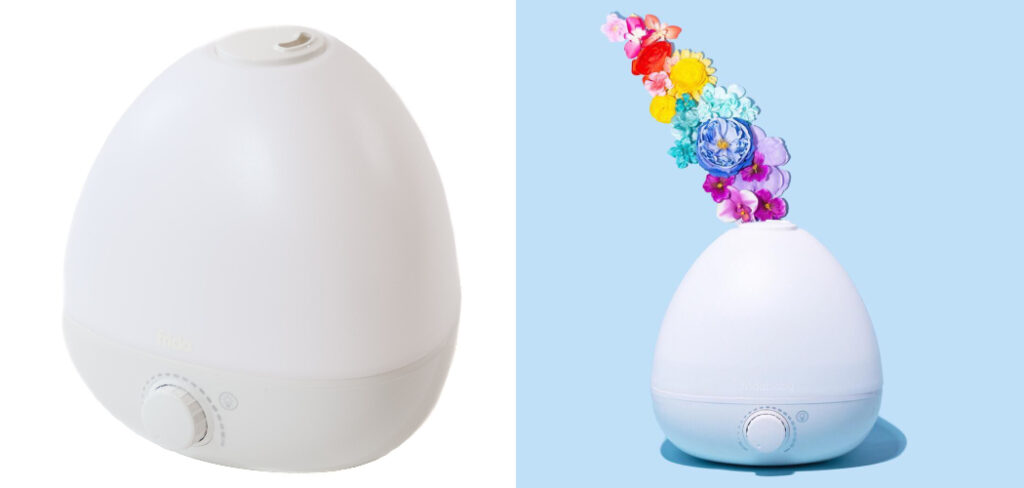
Good news — cleaning your Frida Baby humidifier is straightforward once you know the steps. In this guide, you’ll learn why regular cleaning matters, exactly what supplies to gather, how to clean your frida baby humidifier, the mistakes to skip, and the signs that tell you you’ve done it right.
Why This Matters for New Parents
A humidifier adds moisture to the air, which can ease stuffy noses and dry skin for your baby. But that same moisture creates a warm, damp environment — and warm, damp places are where mold and bacteria love to grow.
Here’s the catch: when grime builds up inside the tank, the humidifier can spray those particles into the air your baby breathes. That’s the opposite of what you want from a device meant to help them rest comfortably.
Regular cleaning keeps the mist clean and your baby’s air fresh. It also helps your humidifier run well and last longer, since mineral buildup from hard water can clog the parts over time.
The reassuring part: you don’t need special skills or harsh products. A quick rinse most days and a deeper clean each week is enough to keep everything safe and working well.
What You’ll Need
You probably have most of these supplies in your kitchen already. Gathering them first makes the whole job faster and easier.
- White vinegar: A natural cleaner that breaks down mineral deposits and helps loosen buildup. It’s gentle and safe for baby gear when rinsed well.
- Mild dish soap: For washing away everyday residue from the tank and base.
- A soft brush or old toothbrush: Helps you reach small nozzles, grooves, and corners.
- Clean, soft cloths: For wiping surfaces and drying parts afterward.
- Cotton swabs: Handy for tight spots around the mist outlet.
- Clean water: For rinsing — distilled or filtered water is ideal if you have it.
One thing to skip: Bleach, scented cleaners, and abrasive scrubbers. These can damage the plastic, leave harmful residue, or scratch surfaces where germs can hide.
8 Step-by-Step Guide: How to Clean Your Frida Baby Humidifier
The goal here is simple: take it apart, clean each piece gently, rinse away any cleaner, and dry everything fully before reassembling. Work slowly and you’ll have it done in about 15 minutes.
1. Unplug It First
Always unplug the humidifier and switch it off before you touch any water or parts. This is the most important safety step, so make it a habit every single time.
Tip: Move the unit to a counter or table near your sink so you have room to work.
2. Empty and Disassemble
Pour out any leftover water from the tank. Then separate the parts — usually the water tank, the base, and the mist cap or nozzle.
Tip: If you’re unsure how pieces fit together, snap a quick photo before taking them apart. It makes reassembly stress-free.
3. Rinse Away Loose Residue
Give the tank and base a quick rinse with clean water to wash off any obvious gunk. This first pass makes the deeper cleaning step more effective.
4. Clean With Vinegar
Fill the tank with equal parts white vinegar and water, then let it sit for 15 to 20 minutes. The vinegar loosens mineral buildup and any film clinging to the plastic.
For the base, pour a little of the vinegar solution into the area where water collects and let it soak too. Use your soft brush to gently scrub the corners and the mist outlet.
Tip: Cotton swabs dipped in vinegar are perfect for the tiny nozzle openings where buildup hides.
5. Scrub Gently
After soaking, use your soft brush or toothbrush to work over any spots that still feel rough or look cloudy. Light pressure is all you need — let the vinegar do the heavy lifting.
6. Wash With Mild Soap
Add a drop of mild dish soap to clean water and wipe down the tank and base. This step clears away the vinegar smell and any lingering residue.
7. Rinse Thoroughly
Rinse every part with clean water until you can no longer smell vinegar or feel any soapy film. Leftover cleaner can irritate, so a careful rinse matters here.
Tip: Run water through the tank several times and swish it around to catch every corner.
8. Dry Completely
Set each piece on a clean towel and let it air-dry fully, or wipe with a soft cloth. Leave the parts out until they’re completely dry — no damp spots anywhere.
This step prevents new mold from growing the moment you put it back together. Once everything is dry, reassemble and you’re ready to go.
Common Mistakes to Avoid
A few small adjustments make cleaning easier and keep your humidifier safe. Here’s what to watch for.
Skipping the daily rinse. Waiting a full week between any cleaning lets mold get a head start. Empty the tank and rinse it each day, then do the deeper vinegar clean weekly.
Using bleach or scented cleaners. These can leave residue that ends up in the mist your baby breathes. Stick with vinegar and mild soap, which clean well without the risk.
Reassembling while parts are still damp. Putting away a wet tank traps moisture and invites mold right back. Always let everything dry completely first.
Scrubbing with abrasive pads. Rough scrubbers scratch the plastic, creating tiny grooves where germs settle and hide. Use a soft brush or cloth instead.
Leaving standing water for days. Old water sitting in the tank becomes a breeding ground fast. Pour it out whenever the humidifier isn’t running.
Safety Tips
Safe cleaning comes down to a handful of simple habits. They’ll feel automatic after the first couple of times.
- Unplug before cleaning. Never let water near a humidifier that’s plugged in.
- Keep the electrical base dry. Wipe it only with a damp cloth, and never submerge the part that holds the cord or motor.
- Rinse out all cleaning products. Any leftover vinegar or soap should be gone before you refill.
- Avoid harsh chemicals. Bleach and strong cleaners can damage parts and leave fumes behind.
- Dry everything fully. A completely dry humidifier is your best defense against mold.
- Use clean water to refill. Distilled or filtered water creates less mineral buildup than hard tap water.
None of this requires perfection. Unplug it, clean gently, rinse well, and dry fully — that covers nearly everything.
Signs You’re Doing It Right
Wondering whether your cleaning routine is working? These are the green lights that tell you you’re on track.
- The tank looks clear. No cloudy film, white spots, or slimy patches inside.
- There’s no smell. A clean humidifier has no musty or sour odor when you open it.
- The mist comes out evenly. A clear, steady mist means the nozzle isn’t clogged.
- The water stays fresh. Refilled water doesn’t develop a film or smell quickly.
- Cleaning gets faster. With regular upkeep, there’s less buildup to scrub each week.
If most of these ring true, you’ve got it. A humidifier that’s cleaned often takes only minutes to maintain, and that’s exactly how it should be.
Frequently Asked Questions
How often should I clean my Frida Baby humidifier?
Rinse the tank and refill with fresh water every day the unit is in use. Do a deeper clean with vinegar once a week, or more often if you use hard tap water. Daily rinsing plus weekly deep cleaning keeps mold and buildup from ever getting a foothold.
Can I use vinegar to clean it?
Yes. White vinegar is a safe, effective choice for baby humidifiers because it breaks down mineral deposits without harsh chemicals. Just be sure to rinse thoroughly afterward so no vinegar smell or residue remains.
What kind of water should I use in the humidifier?
Distilled or filtered water is best because it contains fewer minerals than tap water. Less mineral content means less white, crusty buildup inside the tank and nozzle. If you only have tap water, plan to clean a little more often.
Why does my humidifier smell even after cleaning?
A lingering smell usually means a little residue or moisture is still hiding somewhere. Take it apart again, scrub the corners and nozzle with vinegar, rinse well, and let it dry completely before reassembling. Drying fully is often the step that solves a stubborn smell.
Is it safe to run a humidifier in my baby’s room every night?
For most families, yes — as long as you keep it clean and don’t overdo the humidity. Aim for comfortable room moisture rather than a damp, foggy feel, and clean the unit regularly so the mist stays fresh. If your baby has a health condition, check with your pediatrician about what’s best.
Final Thoughts on How to Clean Your Frida Baby Humidifier
Learning how to clean your Frida Baby humidifier really comes down to a simple rhythm: unplug it, rinse daily, deep-clean with vinegar each week, and always dry it fully before putting it back together. That short routine keeps mold and bacteria away and the mist clean for your baby.
The first deep clean might feel like a few extra steps, and that’s normal. After a time or two, you’ll move through it in minutes without even thinking about it.
Some weeks you’ll find more buildup than others, and that’s perfectly fine. You’re creating a healthier space for your little one with every clean — so trust yourself, take your time, and know you’re doing a wonderful job.

About
Joann Meril didn’t plan on becoming a parenting writer — it found her. After spending several years working as a certified nursing assistant in a pediatric clinic, Joann saw firsthand how anxious and under-informed new parents could feel, even with a hospital full of resources around them. When she had her own two children, that gap became personal. Suddenly she was the one googling things at 2 a.m., comparing baby monitors, and wondering if the swaddle she bought was actually safe.
That experience is what shaped her approach to writing. Joann believes parenting advice should be practical, honest, and free of unnecessary jargon or guilt. She tests products herself whenever possible, reads the actual safety standards instead of just the marketing copy, and isn’t afraid to say when something isn’t worth the money.
Today, Joann writes full-time, covering everything from newborn sleep routines to gear reviews to the small everyday wins that make parenting feel a little less overwhelming. When she’s not researching or writing, she’s usually chasing her own kids around the backyard or drinking coffee that’s gone cold for the third time that morning.
Joann lives in [City/State] with her husband and two children.
Credibility
- Background in pediatric caregiving (CNA)
- Mom of two, hands-on parenting experience
- Hand-tests baby gear before recommending it
- Focus: infant sleep, feeding, gear safety, early development