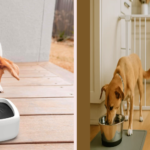

A dog water bowl can look like a tiny splash table to a crawling baby. It is low, shiny, cool to the touch, and often in the middle of a busy room. For your dog, it is a basic need. For your baby, it is an irresistible puddle.
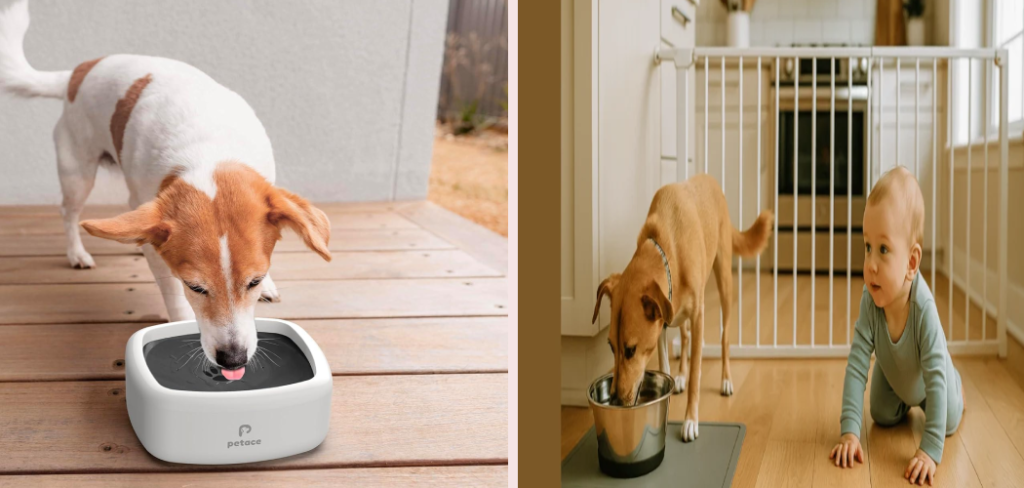
If you are wondering how to keep baby out of dog water bowl, you are not alone. This is a common babyproofing challenge once babies start crawling, cruising, or walking. The goal is not to punish curiosity or make life harder for your pet. It is to create safe boundaries that protect floor hygiene, reduce mess, and keep your dog’s water available.
This guide shows you practical ways to manage pet bowl safety in a real home.
Why This Matters for Parents and Caregivers
Keeping babies away from pet water supports hygiene, supervision, and smoother daily routines. Dog bowls can collect hair, food crumbs, drool, dust, and germs from the floor. A quick splash may seem harmless, but babies often put wet hands straight into their mouths.
This skill also helps you build safer shared spaces at home. Your dog needs steady access to clean water, and your baby needs places to explore without constant “no” from you. A smart setup lowers stress for everyone.
For example, if your crawling baby heads for the kitchen every time the dog drinks, moving the bowl behind a gate can prevent repeated battles. You still meet your dog’s needs, but you guide your baby toward safer play.
Tools and Materials You’ll Need
You do not need a complex system to solve this problem. Most families do best with simple tools that separate the dog feeding station from the baby’s main play area. Choose items that fit your home layout, your dog’s size, and your baby’s current mobility.
- Raised or gated feeding area for the dog
- Baby gate or play yard
- Non-slip mat under the bowl
- Absorbent towel for quick cleanup
- Cleaning spray safe for homes with children and pets
- Heavy, stable dog water bowl
- Optional convenience item: splash-proof or motion-limiting bowl setup
The best setup is easy to maintain. If it takes too much effort, you may stop using it during busy mornings or evening routines.
Step-by-Step Guide on How To Keep Baby Out Of Dog Water Bowl
Step 1 – Observe What Draws Your Baby In
Start by watching your baby for a day or two before changing everything. Notice when they crawl toward the bowl. It may happen after naps, during meal prep, when the dog drinks, or when the floor catches light around the water.
This observation helps you solve the real problem. Some babies love the sound of splashing. Others want to copy the dog. A few are simply bored and looking for something cool, wet, and easy to reach.
When learning how to keep baby out of dog water bowl, your first clue is timing. If your baby makes a beeline for the bowl when you cook dinner, the answer may include a safer play zone in the kitchen, not only a new bowl location.
Step 2 – Move the Bowl to a Controlled Location
Choose a dog water spot that your pet can reach but your baby cannot access freely. Common options include a laundry room, mudroom, gated kitchen corner, hallway nook, or area behind a baby gate with a pet door. The location should feel calm and easy for your dog to find.
Avoid hiding the bowl so far away that your dog forgets it or struggles to reach it. Older dogs, small dogs, and pets with joint issues may need a nearby, low-effort path.
Think about the floor, too. Tile, vinyl, or sealed surfaces handle drips better than carpet or wood. A controlled location should reduce the splash zone while keeping fresh water part of your dog’s normal day.
Step 3 – Use Gates to Create Safe Zones
A baby gate can turn a stressful open floor plan into clear zones. You might gate off the kitchen during certain hours, place the dog bowl in a gated utility area, or use a play yard when you need both hands free. The point is to make the safe choice easy.
Make sure gates are installed according to the instructions and match the space. Pressure-mounted gates may work for doorways, while hardware-mounted gates are safer near stairs. Check that your dog can still drink without feeling trapped or blocked.
Safe boundaries help your baby learn the home layout. They also reduce the number of times you need to scoop up a wet, giggling baby from the dog’s bowl.
Step 4 – Adjust the Dog’s Water Routine Without Restricting Access
Your dog should not go without water for long periods. Instead of removing the bowl all day, plan access around your home routine. For example, you can keep water in a gated feeding station and guide your dog there after walks, meals, naps, and playtime.
If your dog drinks heavily after exercise, expect more drips and splashes. Place an absorbent towel or mat nearby before the dog comes in. You can also refresh the water at set times so the bowl stays clean and appealing.
Some families use more than one water station. One may stay in a baby-free zone, while another appears only during supervised dog meals. Keep the system kind, consistent, and realistic.
Step 5 – Make the Baby Area More Engaging
A baby often heads to the dog bowl because it offers sensory fun. Water shines, moves, and makes noise. To compete with that, give your baby safe activities that meet the same need for touch, sound, and discovery.
Try a basket of soft blocks, textured balls, crinkle books, or stacking cups in the room where you spend the most time. If your baby loves water play, offer it in a controlled way, such as supervised splash time with a shallow tray on a towel.
The goal is not to distract your baby forever. It is to reduce the pull of the bowl by making the right area more interesting. A busy baby is less likely to chase every drip on the floor.
Step 6 – Teach Calm, Consistent Redirection
Redirection works best when you use the same words and actions each time. If your baby reaches for the bowl, calmly say, “That is the dog’s water. Let’s play over here.” Then move your baby to a safe activity. Keep your voice steady and matter-of-fact.
A big part of how to keep baby out of dog water bowl is repetition. Babies and young toddlers learn through patterns, not long explanations. You may need to redirect many times before it sticks.
Avoid big reactions if your baby splashes. Loud gasps or rushed attention can make the bowl more exciting. Stay calm, clean up, and guide your baby away. Consistency builds understanding over time.
Step 7 – Keep the Floor Dry and Less Tempting
Water on the floor can extend the attraction even after the bowl is moved. Babies notice shiny puddles, damp mats, and cool spots under their hands. Wipe spills quickly so the area does not become a second play station.
Use a non-slip mat that catches drips without sliding. Wash it often, especially if it collects hair or food crumbs. An absorbent towel can help after your dog drinks, but replace it when wet so it does not smell musty or invite crawling.
Floor hygiene matters because babies explore with their hands and mouths. A clean, dry area lowers germ exposure and reduces slipping risks for both your baby and your dog.
Step 8 – Review the Setup as Mobility Changes
Your baby’s skills will change fast. A setup that works for a crawler may fail once your baby pulls to stand, opens low doors, or walks with confidence. Review your dog bowl setup every few weeks during big mobility stages.
Look at the room from your baby’s height. Can they reach through the gate? Can they push the bowl mat? Can they climb into the play yard corner? Small changes may create new access points.
Toddler curiosity also changes the challenge. A toddler may carry toys to the bowl, pour water, or try to “help” the dog. Keep adjusting your childproofing plan so it matches your child’s body, curiosity, and problem-solving skills.
Common Mistakes When Keeping Baby Away From The Dog Water Bowl
One common mistake is relying only on saying “no.” Babies and young toddlers do not have strong impulse control yet. If the bowl stays within reach, they will likely return to it, especially when you are cooking, folding laundry, or helping another child.
Another mistake is removing the dog’s water for long stretches. This may stop the baby from splashing, but it can leave your dog thirsty and confused. A better plan gives your dog steady access in a protected location.
Some families buy a new bowl but ignore the space around it. A heavy bowl may reduce tipping, but it will not stop reaching, splashing, or wet handprints across the floor. Pet bowl safety usually needs both equipment and boundaries.
It is also easy to place the bowl in a spot that creates a new hazard. A narrow hallway may cause tripping. A bathroom may contain cleaning products. A laundry room may need a secured trash bin or closed detergent storage.
Finally, many parents forget to update the setup. Once a baby starts walking, climbing, or opening doors, old babyproofing may need a full reset.
Expert Tips
Think in zones, not just objects. The dog bowl is one item, but the real issue is access. A gated dog feeding station often works better than moving the bowl from one open corner to another.
Match the solution to your dog’s temperament. A nervous dog may need a quiet water area away from toddler traffic. A social dog may prefer a spot where they can still see the family. Comfort matters because stressed pets may avoid drinking.
Build cleanup into your routine. Refill the bowl, wipe the mat, and scan the floor at natural times, such as after breakfast and dinner. Small habits prevent big messes and keep shared spaces cleaner.
Frequently Asked Questions
Is Dog Bowl Water Dangerous for Babies?
Dog bowl water is not something your baby should drink or play in. It can contain dog saliva, food particles, fur, dust, and floor germs. A brief touch usually is not a reason to panic, but you should wash your baby’s hands and clean the area. The goal is to prevent repeated contact and reduce avoidable exposure.
Should I Take the Dog Water Bowl Away During the Day?
You should not remove your dog’s water for long periods unless your veterinarian gives specific guidance. Dogs need regular access to fresh water, especially after walks, meals, play, or warm weather. Instead, place the bowl in a gated or controlled area. This protects your baby while still meeting your dog’s basic needs.
What Type of Dog Bowl Works Best Around Babies?
A heavy, non-tip bowl on a non-slip mat often works well. Splash-proof or motion-limiting bowls may reduce spills, but they do not replace supervision or safe boundaries. Raised bowls can help some dogs, though they may not suit every breed or health condition. Choose a stable setup that your dog can use comfortably.
How Do I Stop My Toddler From Playing in the Bowl?
Use simple words, calm redirection, and a consistent boundary. Say, “Dog’s water,” then move your toddler to a safe activity. Keep the bowl out of reach when possible, because toddlers learn better when the environment supports the rule. Offer supervised water play elsewhere if your child loves splashing and pouring.
Can My Dog Share a Space With My Baby Safely?
Yes, many dogs and babies share a home safely with supervision, routines, and clear boundaries. Your dog should have places to eat, drink, and rest without baby interference. Your baby should have safe areas for crawling and play. Never expect either one to manage the situation alone. You create safety through setup and attention.
Conclusion
Keeping your baby away from the dog water bowl is a normal part of babyproofing a shared home. Start by watching when your baby goes for the bowl, then move the water to a controlled location. Use gates, play yards, dry mats, and calm redirection to make the safe choice easier for everyone.
Your dog still needs fresh water, so the goal is balance. You are not choosing between your pet and your child. You are building a home routine where both can thrive with less stress and fewer wet surprises.
As your baby grows, review the setup often. Crawling, walking, climbing, and toddler curiosity each bring new challenges. With simple boundaries and steady habits, how to keep baby out of dog water bowl becomes a manageable part of everyday family life.

About
Joann Meril didn’t plan on becoming a parenting writer — it found her. After spending several years working as a certified nursing assistant in a pediatric clinic, Joann saw firsthand how anxious and under-informed new parents could feel, even with a hospital full of resources around them. When she had her own two children, that gap became personal. Suddenly she was the one googling things at 2 a.m., comparing baby monitors, and wondering if the swaddle she bought was actually safe.
That experience is what shaped her approach to writing. Joann believes parenting advice should be practical, honest, and free of unnecessary jargon or guilt. She tests products herself whenever possible, reads the actual safety standards instead of just the marketing copy, and isn’t afraid to say when something isn’t worth the money.
Today, Joann writes full-time, covering everything from newborn sleep routines to gear reviews to the small everyday wins that make parenting feel a little less overwhelming. When she’s not researching or writing, she’s usually chasing her own kids around the backyard or drinking coffee that’s gone cold for the third time that morning.
Joann lives in [City/State] with her husband and two children.
Credibility
- Background in pediatric caregiving (CNA)
- Mom of two, hands-on parenting experience
- Hand-tests baby gear before recommending it
- Focus: infant sleep, feeding, gear safety, early development