
Yellow stains on baby clothes can feel stubborn, especially when they show up after washing or when you pull stored outfits from a drawer. These marks often come from baby formula stains, breast milk stains, spit-up stains, drool stains, or poop stains that were not fully removed the first time.
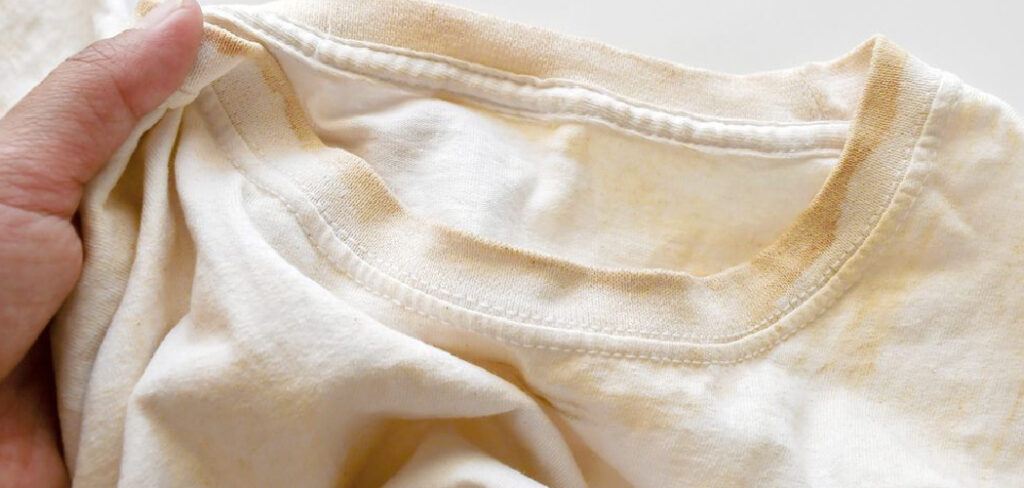
If you are learning how to get yellow stains out of baby clothes, the key is using gentle methods that break down residue without irritating your baby’s skin or damaging soft fabrics.
You do not need harsh chemicals or complicated laundry tricks. You need the right order: check, rinse, pre-treat, soak, wash, and dry carefully.
This guide shows you how to remove yellow stains safely, protect baby fabrics, and keep favorite outfits looking fresh.
Why Removing Yellow Stains Matters
Removing yellow stains matters because baby clothes sit close to sensitive skin. Old stains can hold leftover milk proteins, body oils, food residue, and odor, even when the fabric looks mostly clean. Treating them well supports baby-safe laundry care and helps clothes feel fresh again.
Good stain removal also extends the life of cotton onesies, bibs, burp cloths, pajamas, and delicate fabrics. Babies go through many outfit changes, so saving clean, usable clothing can reduce waste and stretch your budget.
It also helps preserve special pieces. A going-home outfit, a favorite sleeper, or a handmade blanket may carry real meaning. With the right method, many set-in stains can brighten enough to wear, store, or pass down with confidence.
Tools and Materials You’ll Need
You can remove many yellow baby clothing stains with simple laundry supplies. Choose gentle, fragrance-light products when possible, and always read the fabric care label before soaking or washing.
- Gentle detergent made for baby clothes or sensitive skin
- Oxygen bleach that is color-safe and chlorine-free
- Baking soda
- White vinegar
- Soft-bristled laundry brush or clean toothbrush
- Large bowl, basin, or clean sink for soaking
- Warm water and cool water
- Clean white towel
- Baby-safe stain remover
- Optional convenience item: mesh laundry bag for tiny socks, bibs, and delicate items
Avoid chlorine bleach on baby clothing unless the fabric label clearly allows it. It can weaken fibers, leave harsh residue, and cause white fabric to yellow over time.
9 Step-by-Step Guide on How to Get Yellow Stains Out of Baby Clothes
Step 1 – Check the Fabric and Identify the Stain
Start by looking closely at the stained area in natural light. Yellow marks often appear as faint rings around collars, under bib edges, near cuffs, or across the chest where milk and drool collect. Crusty dried milk marks may feel stiff when you rub the cotton between your fingers.
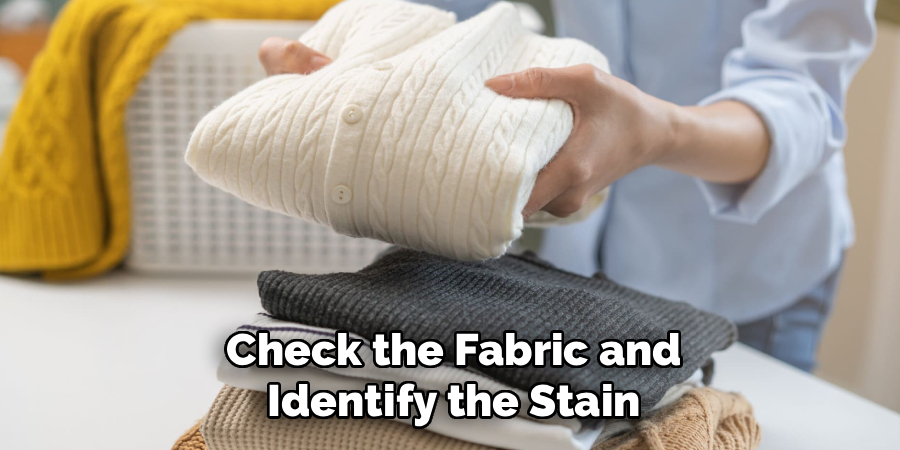
Check the fabric care label before you do anything else. Cotton onesies and burp cloths can usually handle soaking, but wool, silk, lace, and some delicate fabrics need extra care.
The first step in how to get yellow stains out of baby clothes is knowing what you are treating. Formula, spit-up, breast milk, food, and diaper leaks each respond better when you avoid heat at the start.
Step 2 – Rinse the Stain With Cool Water First
Rinse the stained area from the back of the fabric with cool water. This helps push residue out instead of driving it deeper into the fibers. Hold the garment under a steady stream and let the water run through the yellowed area for at least 30 seconds.
Avoid hot water at this stage, especially with milk-based stains. Heat can cook proteins into the fabric, making set-in stains harder to remove later.
If the mark feels crusty, gently loosen it with your fingertips while rinsing. Do not scrub hard. Baby clothes often have soft cotton textures that can pill, stretch, or thin if you treat them too roughly.
Step 3 – Pre-Treat With a Gentle Stain Remover
After rinsing, apply a baby-safe stain remover or a small amount of gentle detergent directly to the stain. Work it in with your fingers or a soft-bristled brush using light circular motions. You should see the fabric darken slightly as the product soaks into the fibers.
Let the pre-treat sit for 10 to 15 minutes. This gives the detergent enzymes time to break down oils, milk proteins, and body residue. Keep the fabric damp during this time so the cleaner does not dry into the stain.
For very small bibs or onesies, place the item on a clean white towel while treating it. This keeps your work area neat and helps you see the yellowing more clearly.
Step 4 – Make a Baking Soda Paste for Stubborn Marks
Baking soda works well on many yellow stains because it gives gentle abrasion and helps reduce odor. Mix baking soda with a little water until it forms a spreadable paste. It should feel smooth and slightly gritty, like a thin frosting.
Spread the paste over the stain and let it sit for 20 to 30 minutes. This is helpful for drool stains, faint collar rings, and old spit-up stains that still smell slightly sour.
When the time is up, rinse the paste away with cool water. You may notice the yellow mark already looks lighter. If the fabric is delicate, skip brushing and use your fingers to avoid damaging the weave.
Step 5 – Soak in Oxygen Bleach and Warm Water
For set-in stains, oxygen bleach can make a big difference. Fill a basin with warm water, then add oxygen bleach according to the package directions. Stir until it dissolves fully before adding the clothes.
Place the stained baby clothes in the solution and press them under the water. The warm water should feel comfortable to your hand, not hot. Let cotton onesies, bibs, and burp cloths soak for two to six hours, depending on how deep the stains look.
When parents ask how to get yellow stains out of baby clothes, this soak is often the step they were missing. It helps lift yellowing without the harshness of chlorine bleach.
Step 6 – Wash With Gentle Detergent
After soaking, drain the basin and gently squeeze out excess water. Do not twist the fabric tightly, especially if you are washing small sleepers or delicate baby items. Transfer the clothes to the washing machine and use a gentle detergent.
Choose a normal or delicate cycle based on the fabric care label. Warm water is usually fine for sturdy cotton, but cooler water may be better for prints, knits, or delicate fabrics.
As the washer fills, you may notice the clean smell of fresh detergent replacing the sour scent of old milk or spit-up. That is a good sign, but do not assume the stain is gone until you inspect the fabric before drying.
Step 7 – Inspect Before Using the Dryer
Check each garment while it is still damp. Hold it near a window or under bright light and look for yellow shadows, collar rings, or cloudy patches. Damp fabric can hide stains, so take your time.
If the stain remains, do not put the item in the dryer. Dryer heat can set stains and make them much harder to remove. Instead, repeat the pre-treat and soak steps before washing again.
This is where patience matters. Some old stains need two or three rounds, especially if the clothes were stored for months. A second treatment often lifts what the first wash loosened.
Step 8 – Use White Vinegar for Odor and Residue
White vinegar can help with detergent buildup, sour smells, and mineral residue. Add it to the rinse cycle or soak the garment briefly in a mixture of cool water and white vinegar before washing again. Use a light hand, because too much vinegar can weaken elastic over time.
Vinegar works best as a rinse aid, not as the main stain remover. It will not break down every yellow stain on its own, but it can improve freshness and softness.
After rinsing, the fabric should feel cleaner and less stiff. If you still smell old milk, repeat the wash with gentle detergent before moving to drying.
Step 9 – Dry in Sunlight When Possible
Sun drying is one of the gentlest ways to brighten baby clothes. Place freshly washed items in direct or indirect sunlight, with the stained area facing up. As the fabric dries, sunlight can help fade remaining yellow marks naturally.
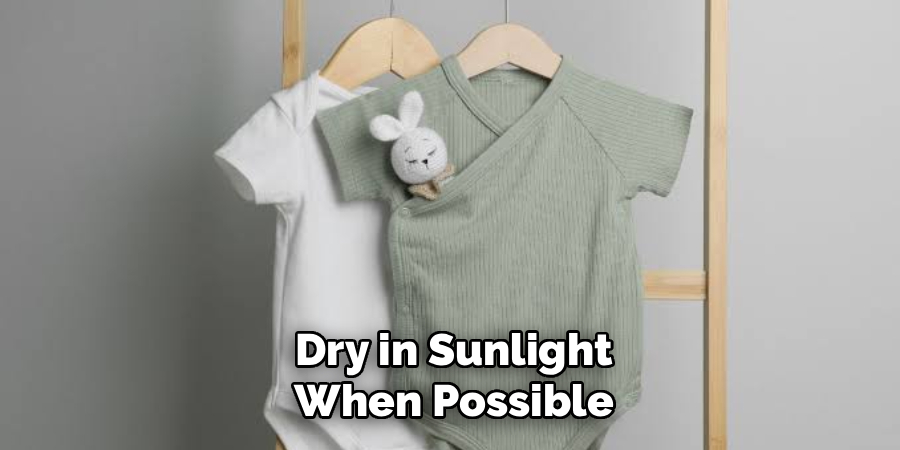
This works especially well on white cotton onesies, burp cloths, and bibs. You may notice slow brightening over a few hours, especially on faint stains that survived washing.
Avoid leaving colored or printed clothing in strong sun for too long, since bright colors can fade. Once the item feels dry and soft, bring it inside, fold it, and store it in a clean, dry drawer.
Common Mistakes When Treating Yellow Stains
One common mistake is using hot water too soon. Hot water can set protein-based stains from breast milk, formula, spit-up, and poop. Start with cool water, then move to warm water only after rinsing and pre-treating.
Another mistake is putting stained clothes in the dryer before checking them. Heat can lock in yellow marks, especially old stains that look faint when wet. Always inspect baby clothes before drying, even if you think the wash cycle worked.
Many caregivers also use too much detergent. More soap does not mean cleaner fabric. Extra detergent can leave residue that traps body oils and makes clothes feel stiff or smell musty. Measure detergent carefully, especially for small baby laundry loads.
A fourth mistake is scrubbing too hard. Baby clothes are often soft and thin, and rough scrubbing can stretch collars, damage snaps, or create fuzzy patches. Use gentle pressure and repeat treatments instead of forcing the stain out in one aggressive session.
Finally, avoid mixing cleaning products. Never combine vinegar with bleach, and do not layer multiple stain removers without rinsing between them. Safe laundry care matters as much as stain removal.
Expert Tips
Treat stains as soon as you can, even if you do not have time to wash a full load. A quick cool-water rinse can prevent milk, drool, and food residue from drying into the fibers.
Keep a small soaking basin near your laundry area for baby items. Toss stained bibs, burp cloths, and onesies into a short soak before wash day so stains do not sit untreated.
For stored clothes, wash and dry everything fully before packing it away. Even invisible residue from formula or breast milk can turn yellow over time.
If a stain remains after several gentle treatments, accept partial fading rather than damaging the fabric. Some heirloom or delicate pieces are better preserved with a faint mark than ruined by harsh cleaning.
Frequently Asked Questions
Why Do Baby Clothes Turn Yellow in Storage?
Baby clothes often turn yellow in storage because invisible residue remains in the fibers. Breast milk, formula, spit-up, drool, body oils, and food can look clean after washing but oxidize over time. This creates yellow patches months later. Wash items well before storing them, rinse thoroughly, and make sure they are completely dry before placing them in bins or drawers.
Can I Use Chlorine Bleach on White Baby Clothes?
Chlorine bleach is usually not the best choice for baby clothes. It can weaken fibers, irritate sensitive skin if not rinsed well, and sometimes make white fabric look more yellow. Oxygen bleach is often safer for cotton whites and color-safe items. Always check the fabric care label first, and never use chlorine bleach on wool, silk, or flame-resistant sleepwear.
What Is the Best Way to Remove Old Yellow Stains?
Old stains usually need a longer treatment process. Start with a cool-water rinse, apply a gentle stain remover, then soak the garment in warm water with oxygen bleach. Wash with gentle detergent and inspect before drying. If the stain remains, repeat the process. Set-in stains often fade gradually, so two or three rounds may work better than one harsh treatment.
Is Baking Soda Safe for Baby Clothes?
Baking soda is generally safe for many baby clothes when used gently and rinsed well. It can help lift light yellowing, reduce odors, and freshen cotton fabrics. Avoid heavy scrubbing, especially on delicate fabrics or printed designs. If you are unsure, test the paste on a hidden seam before applying it to the main stained area.
How Do I Prevent Yellow Stains From Coming Back?
Prevent yellow stains by rinsing milk, spit-up, drool, and diaper leaks quickly. Pre-treat stains before washing, use the right amount of gentle detergent, and avoid overloading the washer. Make sure clothes are fully clean and dry before storage. For long-term storage, choose breathable containers and keep clothing in a cool, dry place away from moisture.
Conclusion
Learning how to get yellow stains out of baby clothes helps you save money, protect soft fabrics, and keep your baby’s wardrobe fresh. Most yellow marks come from everyday messes like formula, breast milk, spit-up, drool, food, and diaper leaks, so they are common and often treatable.
The main steps are simple: rinse with cool water, pre-treat gently, soak with oxygen bleach when needed, wash with mild detergent, inspect before drying, and use sunlight for natural brightening.
Do not rush the process or reach for harsh chemicals first. Baby clothes need care that is both effective and skin-conscious.
Start with one stained item today and follow the steps in order. Once you see how much a careful soak and wash can improve the fabric, the rest of the laundry pile will feel much more manageable.

About
Joann Meril didn’t plan on becoming a parenting writer — it found her. After spending several years working as a certified nursing assistant in a pediatric clinic, Joann saw firsthand how anxious and under-informed new parents could feel, even with a hospital full of resources around them. When she had her own two children, that gap became personal. Suddenly she was the one googling things at 2 a.m., comparing baby monitors, and wondering if the swaddle she bought was actually safe.
That experience is what shaped her approach to writing. Joann believes parenting advice should be practical, honest, and free of unnecessary jargon or guilt. She tests products herself whenever possible, reads the actual safety standards instead of just the marketing copy, and isn’t afraid to say when something isn’t worth the money.
Today, Joann writes full-time, covering everything from newborn sleep routines to gear reviews to the small everyday wins that make parenting feel a little less overwhelming. When she’s not researching or writing, she’s usually chasing her own kids around the backyard or drinking coffee that’s gone cold for the third time that morning.
Joann lives in [City/State] with her husband and two children.
Credibility
- Background in pediatric caregiving (CNA)
- Mom of two, hands-on parenting experience
- Hand-tests baby gear before recommending it
- Focus: infant sleep, feeding, gear safety, early development