
You bring your perfect little one home, and a few weeks later their smooth cheeks are covered in tiny red bumps. It can feel alarming, especially when you’re already running on very little sleep. Take a breath — baby acne is common, harmless, and almost always clears up on its own.
This guide walks you through how to get rid of baby acne fast (or at least help it along gently), what to use, what to skip, and when it’s worth a quick call to your pediatrician. The good news: most of what helps is simple, calm, and kind to your baby’s delicate skin.
What Baby Acne Actually Is
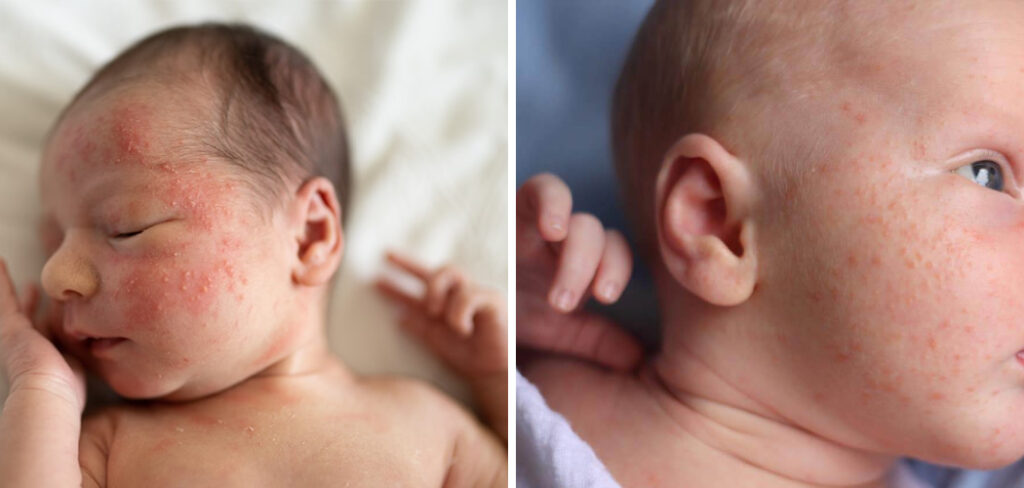
Baby acne is a rash of small red or white bumps that usually shows up on your baby’s cheeks, nose, forehead, and sometimes the chin or back. It often appears in the first two to four weeks of life.
Doctors aren’t completely sure what causes it. The leading idea is that leftover pregnancy hormones — the hormones that passed from you to your baby before birth — stimulate the tiny oil glands in their skin. That’s why it tends to fade naturally as those hormones leave their system.
The key thing to know: baby acne is not caused by anything you did or didn’t do. It’s not a sign of poor hygiene or an allergy.
Why This Matters for New Parents
Your baby’s face is the part of them you look at most, so any change there can feel huge. It’s completely normal to worry that the bumps are painful, contagious, or a sign of something serious.
Here’s the reassuring truth: baby acne doesn’t hurt your baby and isn’t itchy for them. Most babies don’t even notice it. The discomfort is usually yours, not theirs.
Understanding what’s happening helps you avoid overreacting. When you know the bumps are temporary and harmless, you’re far less likely to scrub, slather, or treat the skin in ways that could actually make things worse.
What You’ll Need
You need very little to care for baby acne — and that’s a feature, not a flaw. Gentle and simple beats aggressive every time.
Here’s a short list of helpful supplies:
- Soft, clean washcloths: Use a fresh one each time to keep things clean.
- Lukewarm water: Warm, never hot, for gentle washing.
- A mild, fragrance-free baby cleanser: Optional, and only if your pediatrician suggests one.
- A soft towel for patting dry: No rubbing.
Notice what’s not on the list: acne creams, scrubs, lotions with active ingredients, or anything designed for teen or adult skin. Your baby’s skin is thinner and more sensitive, so less really is more.
6 Step-by-Step Guide How to Get Rid of Baby Acne Fast
The fastest, safest path is consistent gentle care — not aggressive treatment. Follow these steps daily and you’ll give your baby’s skin the best chance to heal on its own.
1. Wash the face gently once a day.
Dampen a soft washcloth with lukewarm water and lightly wipe your baby’s face. Once a day is plenty — over-washing can irritate the skin.
Tip: Bath time is a natural moment to do this, so it folds easily into your routine.
2. Pat dry, don’t rub.
After washing, gently pat the skin with a soft towel. Rubbing can inflame the bumps and make redness worse.
3. Leave the bumps alone.
Resist the urge to pick, squeeze, or scrub. Squeezing can spread irritation and may lead to infection or scarring.
4. Skip the lotions and oils on affected areas.
Heavy creams and oils can clog the tiny pores and make acne look worse. If your baby has dry patches elsewhere, use a fragrance-free moisturizer only on those spots.
5. Keep drool and milk off the skin.
Wipe away spit-up, milk, or drool gently when you notice it. These can sit on the skin and add to irritation.
6. Be patient and consistent.
This is the hardest step. Baby acne usually clears within a few weeks to a few months. Doing the same gentle routine daily works better than trying something new every few days.
Age-Specific Advice
How you handle baby acne shifts slightly as your baby grows. Here’s what to keep in mind at each stage.
Newborn (0–4 weeks)
This is when baby acne most often appears. Stick to plain lukewarm water and a soft cloth — newborn skin is at its most delicate here. There’s no need for any cleanser unless your pediatrician recommends one.
1–3 Months
Baby acne is still very common in this window and often peaks before fading. Keep your gentle daily routine going. If you haven’t seen improvement by around three months, it’s worth mentioning at your next checkup.
3–6 Months
Most baby acne has cleared by now. If bumps appear or linger past this point, they may not be classic baby acne at all. Newer rashes around this age can be eczema (dry, itchy, scaly patches) or a reaction to something touching the skin, so a quick check-in with your doctor helps.
6+ Months
Acne-like bumps that show up after six months are usually something else entirely. At this stage, don’t assume it’s baby acne — let your pediatrician take a look so you treat the right thing.
Common Mistakes to Avoid
A few well-meaning habits can slow healing or irritate your baby’s skin. Here are the ones to watch for.
Mistake 1: Using adult or teen acne products.
These contain ingredients like benzoyl peroxide or salicylic acid — acne-fighting chemicals that are far too strong for baby skin. They can cause burning, redness, and dryness. Stick to water and gentle care instead.
Mistake 2: Scrubbing the skin.
It feels logical to “clean away” the bumps, but scrubbing inflames them. Gentle wiping is all your baby needs.
Mistake 3: Picking or squeezing.
Popping the bumps can push irritation deeper and risk infection or scarring. Hands off is always the right call.
Mistake 4: Piling on lotions and oils.
Heavy products can trap oil and clog pores, making acne look worse. Use moisturizer only on genuinely dry areas, and keep it off the breakout.
Mistake 5: Changing your approach too often.
Trying a new product every few days never gives skin time to settle. Pick a simple routine and give it a couple of weeks.
Safety Tips
Keeping your baby safe while treating acne comes down to a few steady principles. None of this is complicated — it’s mostly about restraint.
- Test before you treat: Only use a new product after your pediatrician approves it.
- Watch the water temperature: Lukewarm protects sensitive skin; hot water can irritate it.
- Keep nails trimmed: Short baby nails reduce the chance of scratching the bumps.
- Avoid fragrance and dyes: These are common irritants for newborn skin.
- Don’t share washcloths: A clean cloth each time helps prevent spreading bacteria.
When in doubt, choose the gentler option. Baby skin recovers best when it’s left mostly alone.
Signs You’re Doing It Right
It’s hard to feel confident when you can’t fix something instantly. These signs tell you your gentle routine is working — even when progress feels slow.
- The bumps aren’t spreading rapidly or turning into large, painful sores.
- Your baby seems comfortable — feeding, sleeping, and acting like themselves.
- The skin looks calm, not raw, cracked, or oozing.
- You see gradual improvement over days and weeks rather than overnight.
Remember, “doing it right” with baby acne often means doing very little. Patience is part of the treatment, not a sign you’re missing something.
When to Call a Doctor
Most baby acne never needs medical attention, but a few situations are worth a call. Trust your instincts — checking in is always reasonable.
Reach out to your pediatrician if you notice:
- Bumps filled with pus, or skin that’s oozing, crusting, or bleeding. These can signal infection.
- Acne that’s getting worse or spreading quickly despite gentle care.
- Bumps that last beyond three to six months or appear for the first time after six months.
- A rash with other symptoms like fever, fussiness, poor feeding, or signs of pain.
- Anything that simply doesn’t look right to you. You know your baby best.
A quick visit can rule out look-alikes such as eczema, heat rash, or an allergic reaction, so you treat the actual problem.
Frequently Asked Questions
Q: How long does baby acne take to go away?
Most baby acne clears within a few weeks to a few months. Some cases fade in two to three weeks, while others take a little longer. Consistent gentle care helps, but time is the main ingredient.
Q: Can I make baby acne go away overnight?
No, and that’s okay. There’s no safe overnight fix, and trying aggressive treatments usually makes things worse. The fastest safe approach is gentle daily washing and patience.
Q: Is breast milk good for baby acne?
Some parents dab breast milk on the bumps, and it’s gentle enough that it likely won’t hurt. The evidence that it helps is limited, though. Plain lukewarm water is a reliable choice either way.
Q: Does what I eat cause my baby’s acne if I’m breastfeeding?
There’s no strong evidence linking your diet to baby acne. The bumps are tied to hormones and oil glands, not to your meals. You don’t need to change how you eat.
Q: How can I tell baby acne apart from eczema?
Baby acne looks like small red or white bumps, usually on the cheeks, and doesn’t seem to bother your baby. Eczema tends to be dry, scaly, itchy patches that can show up on the cheeks, scalp, and body. If you’re unsure, your pediatrician can tell the difference quickly.
Conclusion
Learning how to get rid of baby acne fast really comes down to one comforting idea: gentle, consistent care almost always wins. Wash once a day with lukewarm water, pat dry, skip the harsh products, and resist the urge to pick. The rest is simply giving your baby’s skin time to do what it’s built to do.
Those little bumps can look worrying, but they’re a normal part of early babyhood — and they don’t bother your baby nearly as much as they bother you. Before long, you’ll be looking at those soft, clear cheeks again. You’re doing a wonderful job, and your calm, patient care is exactly what your little one needs.

About
Joann Meril didn’t plan on becoming a parenting writer — it found her. After spending several years working as a certified nursing assistant in a pediatric clinic, Joann saw firsthand how anxious and under-informed new parents could feel, even with a hospital full of resources around them. When she had her own two children, that gap became personal. Suddenly she was the one googling things at 2 a.m., comparing baby monitors, and wondering if the swaddle she bought was actually safe.
That experience is what shaped her approach to writing. Joann believes parenting advice should be practical, honest, and free of unnecessary jargon or guilt. She tests products herself whenever possible, reads the actual safety standards instead of just the marketing copy, and isn’t afraid to say when something isn’t worth the money.
Today, Joann writes full-time, covering everything from newborn sleep routines to gear reviews to the small everyday wins that make parenting feel a little less overwhelming. When she’s not researching or writing, she’s usually chasing her own kids around the backyard or drinking coffee that’s gone cold for the third time that morning.
Joann lives in [City/State] with her husband and two children.
Credibility
- Background in pediatric caregiving (CNA)
- Mom of two, hands-on parenting experience
- Hand-tests baby gear before recommending it
- Focus: infant sleep, feeding, gear safety, early development