

A baby’s eyes can look deep blue one day, smoky gray the next, and warmer a few months later. For many first-time parents, newborn eye color feels like a sweet mystery, especially when family members start guessing whose traits the baby inherited. If you are wondering how to tell what color eyes baby will have, the honest answer is that you can make an educated guess, but you cannot know with certainty right away.
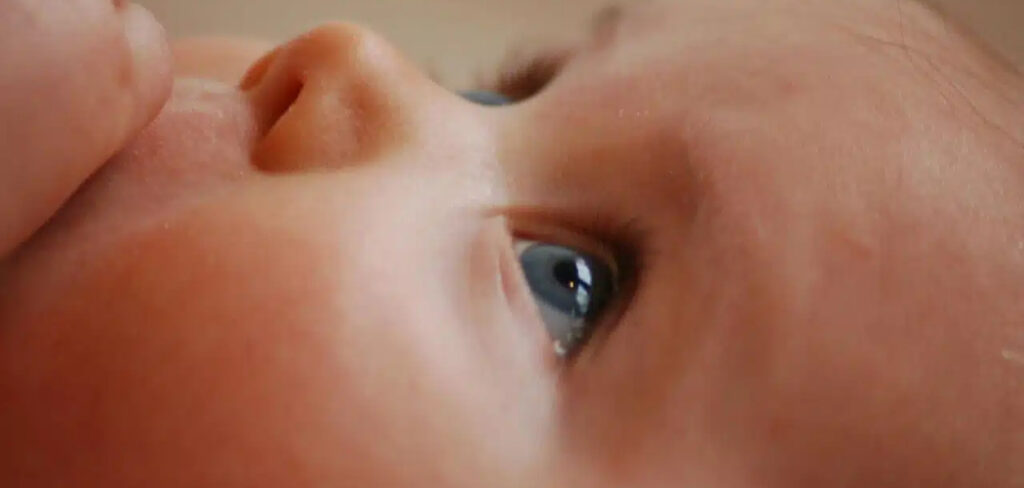
Eye color develops as melanin, the pigment in the iris, changes during infancy. Genetics guide the process, but they do not work like a simple chart. This guide will help you understand what to watch for, when changes often happen, and how to make a realistic prediction.
Why Learning About Baby Eye Color Changes Matters
Understanding baby eye color changes helps you set realistic expectations during the first year. Many newborns, especially those with lighter eyes at birth, may not keep the same shade. Blue-gray eyes can deepen, hazel tones may appear, and brown eyes can become richer as pigmentation increases.
This knowledge also helps you avoid worry over normal changes. The iris often responds to natural development, not a problem. When you know what typical eye color changes look like, you can enjoy the process without reading too much into every shift. It also gives you better context when comparing family traits, baby photos, and inherited traits from both sides of the family.
Tools and Materials You’ll Need
You do not need special equipment to observe your baby’s eye color, but a few simple tools can help. Use natural daylight, a safe spot near a window, and your phone camera to take clear monthly photos. A baby journal or notes app can help you track changes in shade, brightness, and any new flecks in the iris.
You may also want baby photos of parents, siblings, and grandparents for comparison. These can offer clues about family traits, especially if green eyes, hazel eyes, or brown eyes appear across generations. For convenience, an optional photo album app can organize pictures by date, making subtle changes easier to see over time.
7 Step-by-Step Guide on How to Tell What Color Eyes Baby Will Have
Step 1 – Start With the Newborn Eye Color
Begin by looking at your baby’s eye color in the first few weeks, but treat it as a starting point, not a final answer. Many newborns have blue-gray eyes because their iris has not developed much visible melanin yet. This is common in babies with lighter skin tones, though newborn eye color varies widely.
The first part of how to tell what color eyes baby will have is learning that birth color can be temporary. Brown eyes at birth often stay brown, though the shade may deepen. Lighter eyes may shift more noticeably as pigmentation increases over the next several months.
Step 2 – Watch for Melanin Development
Melanin is the pigment that helps determine eye color. More melanin in the iris usually creates brown eyes. Less melanin often leads to blue, gray, or green eyes, while moderate or uneven pigment can create hazel eyes.
As your baby grows, the iris may slowly produce more pigment. You might notice the color looking warmer, darker, or more defined. These changes often happen gradually, so they may not stand out day by day. Monthly photos can help because they show the shift more clearly than memory alone. Think of melanin as the main ingredient, while genetics controls the recipe.
Step 3 – Observe Changes in Natural Light
Lighting can make baby eye color look very different. A dim room may make blue eyes look gray, while bright sunlight can bring out gold, green, or amber tones. Flash photos can also distort the shade and create reflections that make the iris look lighter than it is.
For a better view, look at your baby’s eyes in soft natural light. Hold your baby safely near a window, away from direct harsh sun. Notice the base color first, then look for flecks, rings, or darker edges. These small details can hint at how the eye color may develop as the iris matures.
Step 4 – Compare Family Eye Color Patterns
Genetics plays a major role, so family eye color can offer helpful clues. Look at the eye colors of parents, siblings, grandparents, aunts, and uncles. Brown eyes are often more likely when they appear strongly on both sides of the family, but lighter colors can still show up when inherited traits combine in less obvious ways.
Eye color is polygenic, which means several genes influence the final shade. This is why two brown-eyed parents can sometimes have a child with lighter eyes, especially if blue, green, or hazel eyes run in the family. Family patterns help, but they do not give a perfect answer.
Step 5 – Track the Timeline of Eye Color Changes
Most noticeable eye color changes happen during the first 6 to 12 months. Some babies show a clear shift by 3 or 6 months, while others change more slowly. In some children, the final shade may continue to settle through toddlerhood.
If your baby’s eyes look blue-gray at birth, watch for warming tones around the pupil. If the eyes are becoming hazel, you may see brown, gold, or green areas blend together. If they are turning brown, the overall shade may darken steadily. The pace varies, so try to observe patterns instead of expecting one exact milestone.
Step 6 – Look for Clues in the Iris
The iris can show small hints before the overall color changes. You might see golden flecks, a darker outer ring, or warmer color near the center. These details can suggest that more pigmentation is developing, especially if they become stronger over time.
A careful part of how to tell what color eyes baby will have is noticing repeated patterns, not one unusual photo. If the same brown or hazel tones appear in natural light for several weeks, the color may be shifting. Still, eye color prediction remains an estimate. Genetics, melanin, and infant development work together in complex ways.
Step 7 – Keep Expectations Flexible
Even with careful tracking, you may not know your baby’s lasting eye color for many months. A baby with bright blue eyes at 2 months may keep them, or the color may shift toward green, hazel, or brown. A baby with brown eyes may develop a richer or slightly different shade.
Try to enjoy the change instead of chasing a final answer too early. Take photos, compare notes, and notice how your baby’s eyes look in different settings. If you see sudden changes, cloudiness, unequal pupils, or anything that concerns you, ask your pediatrician for guidance.
Common Mistakes When Predicting Baby Eye Color
One common mistake is assuming newborn eye color is permanent. Many babies are born with blue-gray eyes because the iris still has low visible pigmentation. As melanin increases, the shade may darken or change, especially during the first year.
Another mistake is relying only on the parents’ eye colors. Parents matter, but genetics can pull from a wider family history. Grandparents and earlier generations may carry inherited traits that appear later in a child.
Some parents also judge color from poor lighting. Indoor bulbs, shadows, and camera flash can make the iris look lighter, darker, or more gray than it is. Natural light gives a more reliable view.
A fourth mistake is expecting a simple prediction chart to be exact. Eye color is not controlled by one gene. Brown, blue, green, and hazel eyes come from a blend of genetic factors and melanin levels. Charts can be fun, but they cannot promise a result.
Expert Tips
Take one clear photo each month in similar natural light. This makes it easier to compare true changes instead of guessing from memory. Try to use the same spot, angle, and time of day when possible.
Look for trends, not single moments. A one-day color shift may come from lighting, clothing, or reflections. Repeated warm flecks or a steady darkening pattern matters more.
Also, remember that eye color is only one small part of infant development. Your baby’s gaze, expressions, and connection with you matter far more than the final shade. If you notice anything unusual about vision, eye movement, or eye appearance, bring it up with your child’s healthcare provider.
Frequently Asked Questions
When does a baby’s eye color become permanent?
Many babies have a more stable eye color by 9 to 12 months, but some children continue to show small changes into toddlerhood. The biggest shifts often happen in the first year as melanin increases in the iris. Brown eyes may settle earlier, while blue, green, gray, and hazel shades can take longer to define.
Can two blue-eyed parents have a brown-eyed baby?
It is less common, but genetics can be more complex than simple charts suggest. Eye color depends on multiple genes, not only one parent-to-child pattern. Family history also matters. If darker eye color traits exist in the wider family, they may influence the baby’s final eye color in ways that are hard to predict.
Do all babies start with blue eyes?
No, not all babies start with blue eyes. Some newborns have brown, dark gray, or hazel-toned eyes from birth. Babies with more melanin in the iris often have darker newborn eye color. Lighter blue-gray eyes are common in some babies, but they are not universal and may change over time.
Are hazel eyes easy to predict in babies?
Hazel eyes can be harder to predict because they often include a mix of brown, green, and gold tones. Early signs may include warm flecks near the pupil or a greenish outer shade. Still, these details can shift as pigmentation develops. Hazel often becomes clearer after several months of steady observation.
Should I worry if my baby’s eyes change color?
Gradual eye color changes are usually a normal part of infant development. The iris may darken or develop new tones as melanin increases. Contact your pediatrician if you notice sudden cloudiness, one eye changing differently from the other, unusual redness, eye pain signs, or concerns about tracking and vision. Those signs need professional guidance.
Conclusion
Baby eye color is fascinating because it blends science, family history, and time. Newborn eye color gives you a first clue, but melanin and genetics continue shaping the iris throughout infancy. Brown eyes may deepen, blue-gray eyes may stay light, and green or hazel tones may appear slowly.
The best approach is simple: observe in natural light, take monthly photos, compare family traits, and stay flexible. Prediction can be fun, but it is never exact because inherited traits work in complex ways.
If you are learning how to tell what color eyes baby will have, focus on patterns rather than quick answers. Enjoy each stage, keep your expectations open, and let your baby’s unique features unfold at their own pace.

About
Joann Meril didn’t plan on becoming a parenting writer — it found her. After spending several years working as a certified nursing assistant in a pediatric clinic, Joann saw firsthand how anxious and under-informed new parents could feel, even with a hospital full of resources around them. When she had her own two children, that gap became personal. Suddenly she was the one googling things at 2 a.m., comparing baby monitors, and wondering if the swaddle she bought was actually safe.
That experience is what shaped her approach to writing. Joann believes parenting advice should be practical, honest, and free of unnecessary jargon or guilt. She tests products herself whenever possible, reads the actual safety standards instead of just the marketing copy, and isn’t afraid to say when something isn’t worth the money.
Today, Joann writes full-time, covering everything from newborn sleep routines to gear reviews to the small everyday wins that make parenting feel a little less overwhelming. When she’s not researching or writing, she’s usually chasing her own kids around the backyard or drinking coffee that’s gone cold for the third time that morning.
Joann lives in [City/State] with her husband and two children.
Credibility
- Background in pediatric caregiving (CNA)
- Mom of two, hands-on parenting experience
- Hand-tests baby gear before recommending it
- Focus: infant sleep, feeding, gear safety, early development