
Travel can disrupt even the simplest parts of baby care, and bath time often feels tricky when you are away from home. A hotel sink, campsite wash station, or rented cabin bathroom may not feel as safe or familiar as your regular setup. Still, with the right plan, you can keep your baby clean, calm, and comfortable without turning bath time into a stressful event.
Learning how to bathe baby when traveling helps you handle spills, sweat, diaper leaks, sunscreen, sand, and everyday messes with confidence. You do not need a perfect bathroom or a full-size baby tub. This guide explains a safe, simple travel bath routine you can use in hotels, campsites, and other away-from-home settings.
Why Learning to Bathe Your Baby on the Go Matters
Bathing your baby during a trip is not just about cleanliness. It also helps protect sensitive skin, prevent irritation, and keep your baby relaxed after a long day of travel. Babies can sweat in car seats, get sticky from milk, or pick up dirt during an outdoor trip, especially at a campsite or beach.
For campers and outdoor beginners, this skill matters even more. You may have limited warm water, uneven surfaces, shared bathrooms, or changing weather. A simple travel baby bath routine gives you control in unfamiliar places. It also helps your baby sleep better because clean skin, a dry diaper, and a soft towel can restore comfort after a busy day.
Tools and Materials You’ll Need
- A clean washcloth or two for gentle wiping and rinsing.
- Mild baby soap or fragrance-free cleanser for gentle skin care.
- A soft towel or hooded towel to keep your baby warm after the bath.
- A clean diaper and fresh clothes within arm’s reach.
- A small cup or bottle for rinsing with warm water.
- A waterproof changing mat or clean towel for a safe surface.
- A plastic bag for wet clothes, used washcloths, or dirty diapers.
- An optional collapsible portable tub for convenience, especially during longer trips.
Pack these items together in one small bath kit. That way, you do not need to search through bags while holding a wet baby.
8 Step-by-Step Guide on How to Bathe Baby When Traveling
Step 1 – Choose the Safest Bathing Spot
Start by choosing a clean, stable place where you can stay close to your baby the whole time. In a hotel stay, a sink bath may work well if the sink is clean, deep enough, and free from sharp edges. At a campsite, you may use a portable tub inside a tent vestibule, camper, or sheltered wash area.
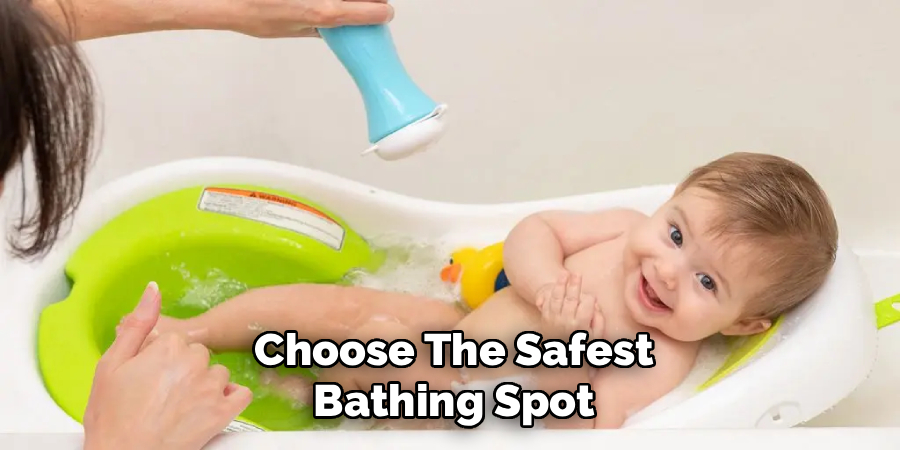
Wipe the surface before you begin, even if it looks clean. Use a towel or bath mat to prevent slipping and to create a softer feel under your baby. If the area feels cold, drafty, crowded, or poorly lit, choose another spot. Safety matters more than convenience.
Step 2 – Gather Everything Before You Start
Before you undress your baby, place every item within easy reach. You should have warm water, baby soap, a washcloth, a soft towel, a clean diaper, and fresh clothes ready. This step prevents the most common travel bath problem: realizing you forgot something after your baby is already wet.
When learning how to bathe baby when traveling, preparation makes the whole process calmer. Babies lose heat quickly, so you want bath time to move smoothly. Open bottles, unfold the towel, and set the clean diaper flat. Once bath time starts, keep one hand on your baby at all times.
Step 3 – Test the Water Temperature Carefully
Fill your sink, basin, or portable tub with a small amount of warm water. The water should feel warm, not hot, on the inside of your wrist or elbow. If you have a bath thermometer, aim for about body temperature, but your skin test still matters.
Travel settings can make water temperature less predictable. Hotel faucets may heat quickly, and campsite water may cool fast in the open air. Swirl the water before testing it because hot spots can form. Keep the water shallow, usually just a few inches. Your baby does not need a deep bath to get clean.
Step 4 – Undress Your Baby and Keep Them Warm
Undress your baby only after the bath area is ready. If the room feels cool, remove clothing in stages and keep a dry towel over your baby’s chest or belly. This helps them feel secure and prevents chills.
Talk softly as you begin. Your voice, touch, and calm pace help your baby understand that this new place is safe. If your baby seems tired or fussy, keep the bath short and simple. A quick wash of the face, neck folds, hands, diaper area, and feet may be enough. Travel bath time does not need to be perfect to be effective.
Step 5 – Wash From Cleanest Areas to Messiest Areas
Use a damp washcloth to clean your baby’s face first. Skip soap around the eyes and mouth. Then move to the neck, arms, hands, chest, belly, legs, and feet. Clean gently between skin folds where milk, sweat, and lint often collect.
Save the diaper area for last. Use mild baby soap only where needed, then rinse well with clean warm water. This order supports good infant hygiene and reduces the chance of spreading germs. If you are figuring out how to bathe baby when traveling during camping or road trips, this clean-to-messy pattern keeps the process simple in any location.
Step 6 – Support Your Baby Securely During the Bath
Use one arm to support your baby’s head, neck, and upper back. Keep your hand firm but gentle, especially if your baby is slippery from water or soap. If your baby can sit, stay close and keep one hand ready, even in a shallow portable tub.
Never leave your baby alone, not even for a few seconds. Ignore your phone, hotel door, or campsite distractions until bath time is over. Babies can slip quickly and silently. Your steady support also helps your baby relax. When they feel secure, they are less likely to cry or stiffen during the bath.
Step 7 – Rinse Well and Watch for Skin Irritation
After washing, rinse your baby’s skin with clean warm water. Soap left behind can dry the skin or cause redness, especially during travel when weather, sunscreen, bug spray, and laundry detergents may already irritate sensitive skin.
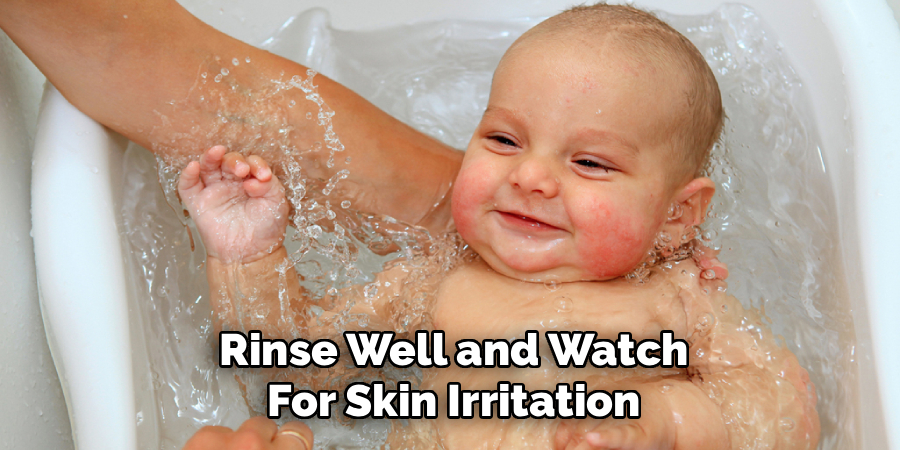
Use a cup, bottle, or fresh washcloth to rinse small areas. Pay close attention to the neck, underarms, behind the ears, and diaper area. These spots can trap soap. If your baby has eczema or very dry skin, use less cleanser and keep the bath brief. Gentle skin care matters more than a long soak, especially away from home.
Step 8 – Dry, Dress, and Reset the Bath Area
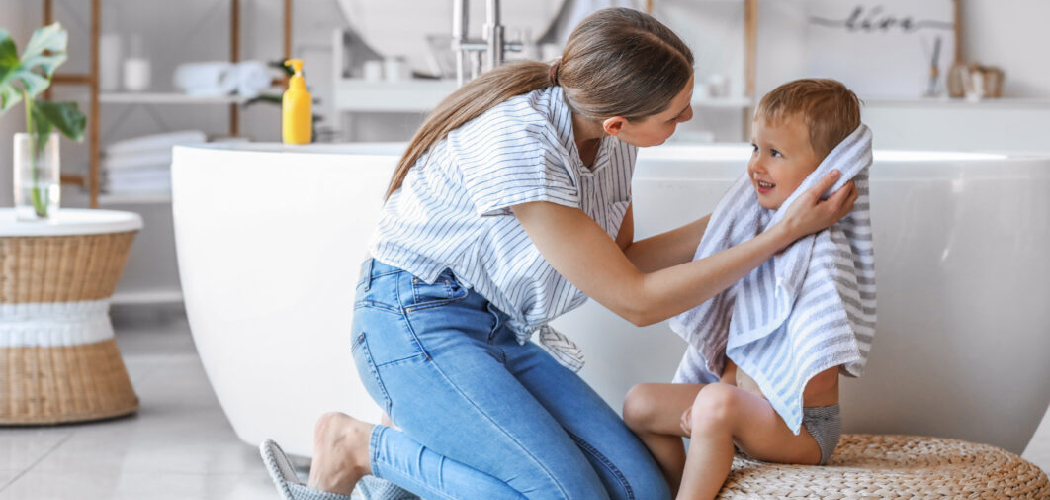
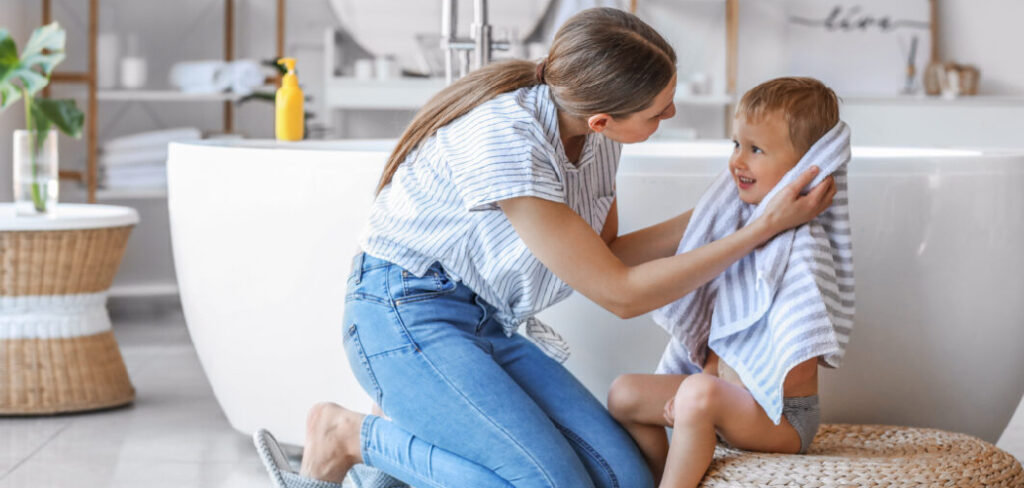
Lift your baby onto a clean towel and wrap them right away. Pat the skin dry instead of rubbing, especially in folds and creases. Make sure the diaper area is fully dry before putting on a clean diaper to help prevent irritation.
Dress your baby in soft, weather-appropriate clothes. If you are outdoors, add a warm layer before your baby gets chilled. Then empty the water, wipe the sink or tub, and pack wet items in a plastic bag. A quick reset keeps your travel space clean and makes the next diaper change or baby bath easier.
Common Mistakes to Avoid When Bathing a Baby Away From Home
One common mistake is using water that is too hot or too cold. Travel water systems can surprise you, especially in hotels, cabins, and campground bathrooms. Always test the water with your wrist or elbow before your baby touches it, and keep checking if you add more water.
Another mistake is setting up in an unsafe spot. A narrow counter, slippery sink, or uneven campsite surface can turn a simple baby bath into a risky task. Choose stability over speed, and never rely on one hand if the surface feels awkward.
Many parents also use too much soap. Babies do not need heavy scrubbing, and too much cleanser can dry their skin. A small amount of mild baby soap works for sweaty areas, dirty hands, and the diaper area.
The final mistake is waiting until your baby is overtired. A tired baby may cry through the whole bath. If your schedule allows, bathe your baby before they reach that fussy, hungry, end-of-day stage.
Expert Tips
Keep travel bath time short, warm, and predictable. Babies feel safer when you follow the same order each time: set up, undress, wash, rinse, dry, diaper, dress. Even in a new place, that pattern creates comfort.
For newborn care, sponge baths are often easier than a full sink bath. Lay your baby on a padded towel and wash one area at a time, keeping the rest of the body covered. During camping trips, warm the towel slightly near your body before wrapping your baby.
Pack two washcloths if possible. Use one for washing and one for rinsing. This small habit keeps the bath cleaner and makes rinsing faster.
Frequently Asked Questions
Can I Bathe My Baby in a Hotel Sink?
Yes, you can use a hotel sink if it is clean, stable, and large enough for safe positioning. Wash the sink first with hot water and mild soap, then place a clean towel or sink insert at the bottom. Keep the water shallow and stay hands-on the entire time. If the sink feels too small, use a sponge bath instead.
How Often Should I Bathe My Baby While Traveling?
Most babies do not need a full bath every day while traveling. Two or three baths per week may be enough, unless your baby gets sweaty, sandy, sticky, or has a diaper leak. On other days, use a warm washcloth to clean the face, neck folds, hands, and diaper area. This protects the skin from over-drying.
What Should I Do If Warm Water Is Limited?
If warm water is limited, give your baby a quick sponge bath. Warm a small amount of water, dip a washcloth into it, and clean one body part at a time. Keep your baby wrapped in a towel so they stay warm. Focus on the face, hands, skin folds, and diaper area. Skip a full bath until conditions improve.
Is a Portable Baby Tub Worth Packing?
A portable tub can help during longer trips, camping, or stays where sinks are too small. Collapsible models save space and give you a familiar bathing setup. For short hotel stays, you may not need one if the sink or sponge bath method works well. Choose based on your baby’s age, your space, and your comfort level.
How Can I Keep My Baby Calm During Travel Bath Time?
Use a calm voice, warm hands, and slow movements. Babies notice your mood, so take a moment to breathe before you start. Keep the bath short and avoid bathing when your baby is very hungry or overtired. A familiar washcloth, song, or bath routine can also help your baby feel secure in a new place.
Conclusion
Bathing your baby away from home becomes much easier when you focus on safety, warmth, and preparation. You do not need a perfect setup. You need clean supplies, shallow warm water, a secure surface, and a calm routine that keeps your baby comfortable.
The best travel baby bath is often simple. A sink bath, sponge bath, or portable tub can all work well when you match the method to your location. Keep one hand on your baby, wash from clean areas to messier areas, rinse well, and dry your baby quickly with a soft towel.
With practice, how to bathe baby when traveling becomes a normal part of your trip instead of a source of stress. Start with a short routine, adjust to your baby’s mood, and trust the basics. Your next outdoor trip, hotel stay, or family visit can feel cleaner, calmer, and more manageable.
