

A pacifier can be a simple comfort tool, but it can also become a nightly puzzle when it keeps slipping out just as your baby starts to settle. If you are wondering how to keep pacifier in baby mouth while sleeping, the safest answer is not to hold it in place, attach it to clothing, or keep replacing it all night. Instead, you can support better pacifier acceptance through fit, timing, routine, and gentle practice.
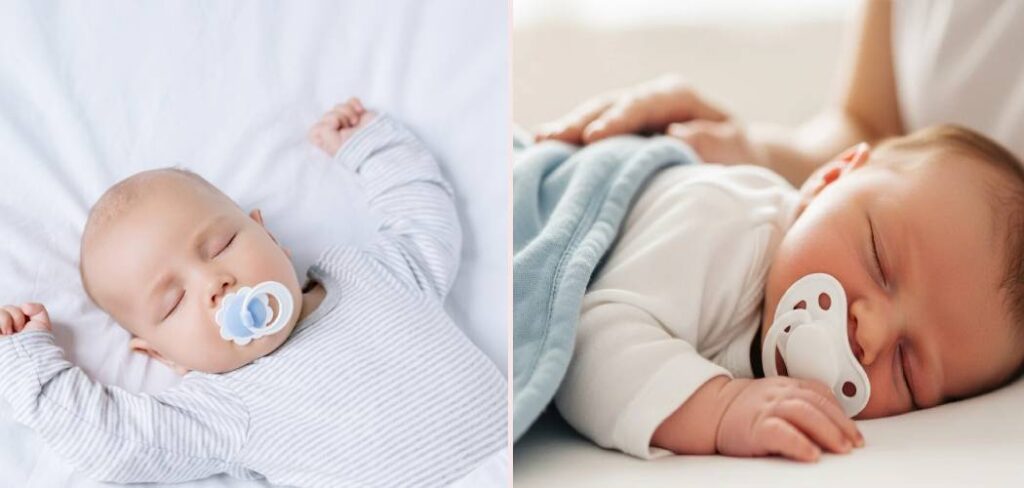
This matters because babies often use sucking to calm their bodies before sleep. When the pacifier works well, bedtime may feel smoother for everyone. This guide explains safe, practical ways to help your baby use a pacifier comfortably at sleep time.
Why Helping Your Baby Keep a Pacifier at Sleep Time Matters
Learning this skill helps new parents manage naps, bedtime routines, soothing, and overnight wakings with more confidence. When a baby accepts a pacifier calmly, it can become part of a predictable sleep rhythm rather than a source of stress.
Pacifier sleep habits are not about making a baby keep the pacifier in all night. Many babies spit it out once they fall into deeper sleep, and that is normal. The goal is to help your baby use it during the settling stage, when the sucking reflex can support calm breathing and relaxation.
This approach also helps you avoid unsafe shortcuts. Next, you’ll gather simple, baby-safe tools that support comfort without adding risks to the sleep space.
Tools and Materials You’ll Need
You do not need much to support safe pacifier use. Focus on clean, age-appropriate items and a calm sleep setup.
- One-piece pacifiers labeled for your baby’s age and stage
- A few nipple shapes, such as orthodontic, round, or symmetrical
- Clean backup pacifiers for naps, bedtime, and diaper bag use
- Mild soap and water for daily cleaning
- A safe crib, bassinet, or play yard with a firm, flat mattress
- A consistent bedtime routine with feeding, burping, cuddling, and sleep cues
- Optional convenience item: a small sterilizer or dishwasher basket if the pacifier is dishwasher-safe
Do not use pacifier clips, cords, stuffed attachments, or straps during sleep. Keep the sleep space clear, simple, and safe.
Step-by-Step Guide on How to Keep Pacifier in Baby Mouth While Sleeping
Step 1 – Choose the Right Pacifier Shape and Size
Start with fit. A pacifier that is too small, too large, too stiff, or oddly shaped for your baby’s mouth may pop out quickly. A good fit is the safest starting point when learning how to keep pacifier in baby mouth while sleeping.
Look for a pacifier labeled for your baby’s age. The shield should rest outside the lips and include ventilation holes. The nipple should feel soft but sturdy.
Some babies prefer an orthodontic pacifier, while others like a rounder nipple shape. If your baby gags, pushes it out, or seems annoyed, try a different shape later rather than forcing it.
Step 2 – Introduce the Pacifier During Calm Moments
Do not wait until your baby is overtired and crying hard. Introduce the pacifier when your baby is calm, fed, burped, and relaxed. A quiet moment after cuddling often works better than a stressful midnight attempt.
Touch the pacifier gently to your baby’s lips and wait for the rooting reflex. If your baby opens their mouth or starts sucking, let them lead. If they turn away, pause.
This builds trust. Your baby learns that the pacifier is a soothing tool, not something pushed into their mouth when they feel upset.
Step 3 – Build a Soothing Bedtime Routine
A pacifier works best when it fits into a steady bedtime routine. Babies settle more easily when the same cues happen in the same order each night. Feeding, burping, a clean diaper, soft pajamas, dim lights, and a short cuddle can all signal sleep.
Keep the room calm and low-stimulation. Your voice can be quiet, and your movements can be slow. The pacifier then becomes one part of the routine, not the whole routine.
This matters because strong sleep associations come from repeated patterns. A predictable routine helps your baby relax before the pacifier even touches their lips.
Step 4 – Practice Gentle Latch and Suck Support
Once your baby accepts the pacifier, give gentle support for a few moments. Hold it lightly in place while your baby starts sucking, then slowly reduce your touch. The goal is not to force it in, but to help your baby organize the latch.
You may feel small rhythmic pulls as the sucking reflex begins. When the pacifier feels steady, let go. If it falls out right away, you can try once more if your baby is still calm.
Avoid pressing hard or holding it against your baby’s mouth. Gentle support teaches; pressure can create refusal.
Step 5 – Place Baby Down Drowsy but Calm
Try placing your baby down when they are drowsy but calm. This means their body looks relaxed, their eyelids may feel heavy, and they are not fully asleep in your arms. The pacifier can help bridge the move from cuddling to the sleep surface.
Lay your baby on their back in a clear crib, bassinet, or play yard. Keep blankets, pillows, toys, and stuffed pacifier attachments out of the space.
If you are practicing how to keep pacifier in baby mouth while sleeping, this step matters because calm placement reduces startled movements that can knock the pacifier loose.
Step 6 – Allow Natural Spit-Out After Sleep Begins
One of the safest lessons in how to keep pacifier in baby mouth while sleeping is knowing when to leave it alone. If the pacifier falls out after your baby falls asleep, you do not need to put it back in.
Many babies release the pacifier as their jaw relaxes. That does not mean the routine failed. It often means your baby moved into a deeper, calmer sleep.
Constant replacement can wake your baby more often and create a pattern where they need your help every time it slips out. If your baby is asleep and settled, let them rest.
Step 7 – Check Comfort Factors Like Hunger or Congestion
Sometimes the pacifier is not the real issue. A baby may spit it out because they are hungry, gassy, congested, overtired, or uncomfortable. Before trying again and again, pause and look for clues.
Feeding cues may include rooting, hand sucking, fussing, or turning toward your chest. Nasal congestion may make sucking harder because babies need clear airflow through the nose. Reflux discomfort, latch issues, or illness can also affect pacifier acceptance.
If you notice persistent feeding problems, congestion, reflux-like discomfort, or sleep struggles, contact your pediatrician. Comfort comes first, and medical guidance can help you choose the safest next step.
Step 8 – Stay Consistent Over Time
Pacifier acceptance can take time. Some babies learn in a few days, while others need repeated low-pressure practice. Stay calm and keep the routine steady.
Offer the pacifier at the same points in the sleep routine, such as after feeding and before placing your baby down. If your baby refuses, stop and try another soothing technique, like rocking, shushing, or a gentle hand on the chest before sleep.
Consistency helps your baby understand what to expect. Over time, the pacifier may become a familiar cue for rest, even if it does not stay in all night.
Common Mistakes When Trying to Help a Baby Keep a Pacifier While Sleeping
One common mistake is trying to secure the pacifier in place. Never tie it to your baby, clip it to sleepwear during sleep, prop it with a blanket, or use a stuffed attachment in the crib or bassinet. These methods can create serious safety risks.
Another mistake is replacing the pacifier every time it falls out. If your baby is asleep, let it be. Repeated replacement can disturb natural sleep cycles and make overnight wakings harder for both of you.
Some parents also choose the wrong size or shape and assume their baby hates pacifiers. Pacifier refusal may simply mean the nipple shape, texture, or timing is not right. Trying a different safe design can make a big difference.
A final mistake is using the pacifier to delay needed care. If your baby shows hunger cues, has trouble feeding, seems congested, or cries in a way that feels unusual, check the cause first. A pacifier can soothe, but it should not replace feeding, comfort, or medical support when needed.
Expert Tips
Think of pacifier use as a sleep support, not a sleep requirement. If your baby settles with it, great. If they spit it out after falling asleep, that is normal and safe.
Offer the pacifier gently, and avoid turning it into a struggle. Babies learn best through calm repetition. If your baby resists, take a break and try again at another calm time.
Keep several clean pacifiers in easy reach before bedtime, but do not place extras loose in the sleep space for a young baby. If you have questions about pacifier safety, breastfeeding, latch issues, or whether pacifier use fits your baby’s needs, ask your pediatrician.
Frequently Asked Questions
Is It Safe for a Baby to Sleep With a Pacifier?
Yes, a baby can sleep with a pacifier when you use it safely. Choose a one-piece pacifier made for your baby’s age, and keep the sleep space clear. Do not attach clips, cords, ribbons, or stuffed animals during sleep. If the pacifier falls out after your baby falls asleep, you do not need to replace it.
What Should I Do If My Baby Keeps Spitting Out the Pacifier?
First, check timing and comfort. Your baby may be hungry, gassy, congested, overtired, or simply not interested. Try offering the pacifier during calm moments instead of during intense crying. You can also test another nipple shape or size. If refusal continues with feeding issues or distress, speak with your pediatrician.
Can I Hold the Pacifier in My Baby’s Mouth Until They Sleep?
You can offer brief, gentle support while your baby starts sucking, but you should not force or hold the pacifier firmly in place. Lightly steadying it for a moment is different from pressing it into the mouth. Once your baby has a rhythm, let go. If they reject it, pause and try another soothing method.
Why Does the Pacifier Fall Out When My Baby Falls Asleep?
As babies relax, their jaw and mouth muscles loosen. This can cause the pacifier to slip out naturally. It often happens when your baby moves from light sleep into deeper sleep. In many cases, it is a good sign that your baby has settled. You only need to respond if your baby wakes and needs help.
When Should I Ask a Pediatrician About Pacifier Problems?
Ask your pediatrician if pacifier use seems linked to feeding problems, poor weight gain, persistent crying, reflux concerns, congestion, latch trouble, or ongoing sleep struggles. You should also ask if your baby was born premature or has medical needs. A pediatrician can help you decide whether pacifier use is appropriate and safe.
Conclusion
Helping your baby use a pacifier at sleep time is less about keeping it in all night and more about creating safe, calm conditions for soothing. Choose the right size and nipple shape, introduce it during peaceful moments, build a steady bedtime routine, and place your baby down drowsy but calm.
Remember the key safety point: never tie, clip, prop, or force a pacifier to stay in place. If it falls out after your baby falls asleep, that is normal. Let your baby rest unless they wake and need comfort.
Quick recap: focus on fit, timing, gentle practice, safe sleep, and consistency. If you are learning how to keep pacifier in baby mouth while sleeping, start with one calm practice session today and adjust based on your baby’s cues.

About
Joann Meril didn’t plan on becoming a parenting writer — it found her. After spending several years working as a certified nursing assistant in a pediatric clinic, Joann saw firsthand how anxious and under-informed new parents could feel, even with a hospital full of resources around them. When she had her own two children, that gap became personal. Suddenly she was the one googling things at 2 a.m., comparing baby monitors, and wondering if the swaddle she bought was actually safe.
That experience is what shaped her approach to writing. Joann believes parenting advice should be practical, honest, and free of unnecessary jargon or guilt. She tests products herself whenever possible, reads the actual safety standards instead of just the marketing copy, and isn’t afraid to say when something isn’t worth the money.
Today, Joann writes full-time, covering everything from newborn sleep routines to gear reviews to the small everyday wins that make parenting feel a little less overwhelming. When she’s not researching or writing, she’s usually chasing her own kids around the backyard or drinking coffee that’s gone cold for the third time that morning.
Joann lives in [City/State] with her husband and two children.
Credibility
- Background in pediatric caregiving (CNA)
- Mom of two, hands-on parenting experience
- Hand-tests baby gear before recommending it
- Focus: infant sleep, feeding, gear safety, early development